
Best Selling Product
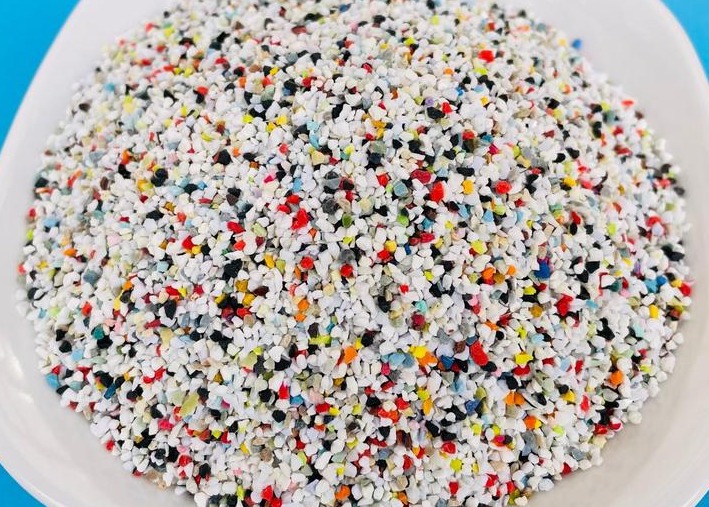
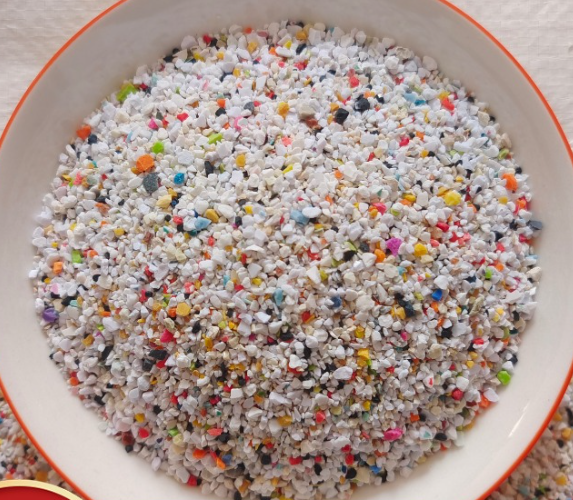
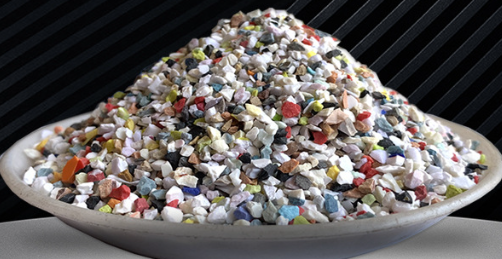
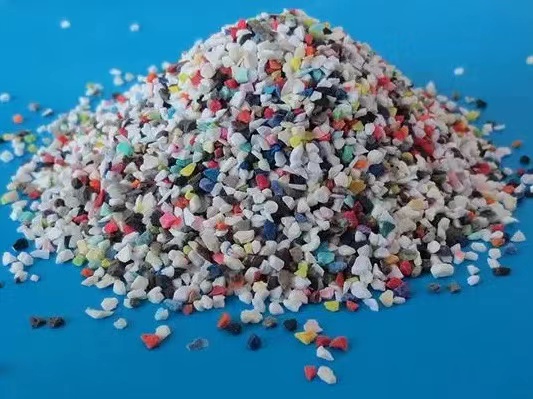
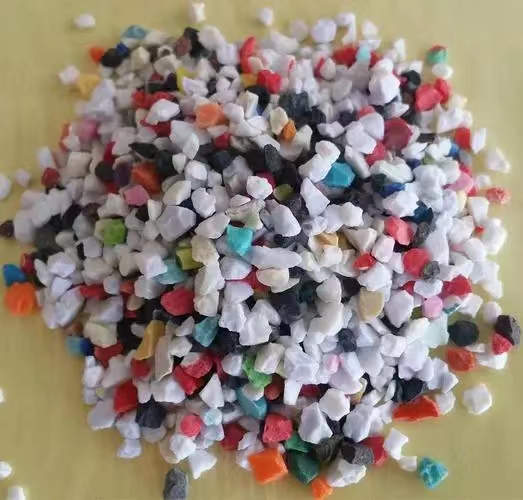
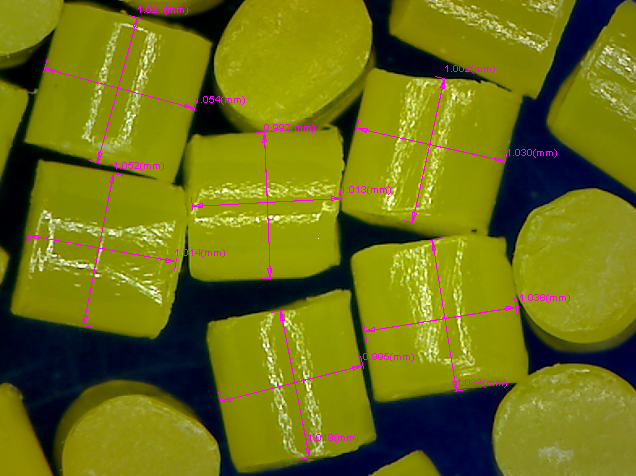
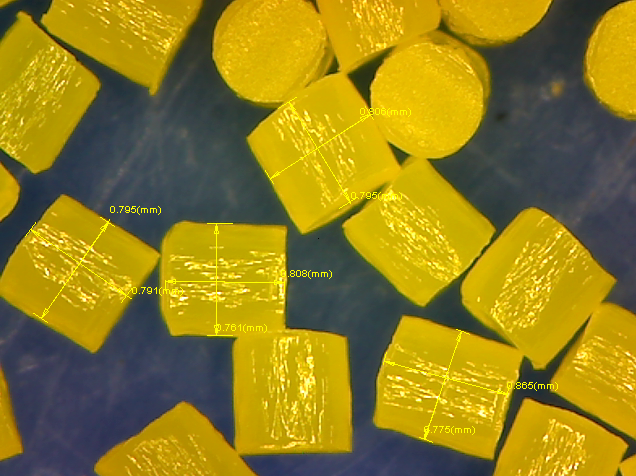
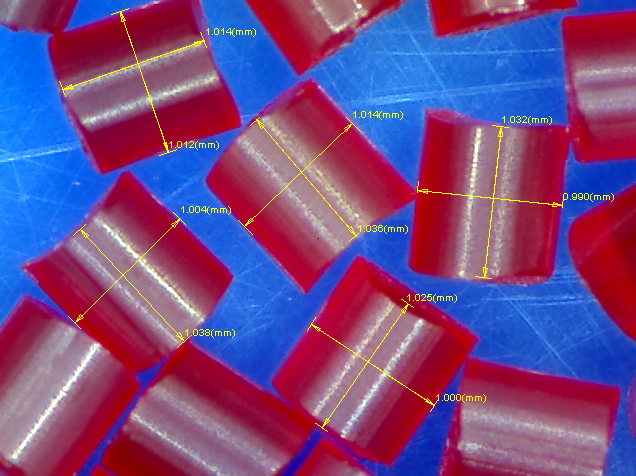
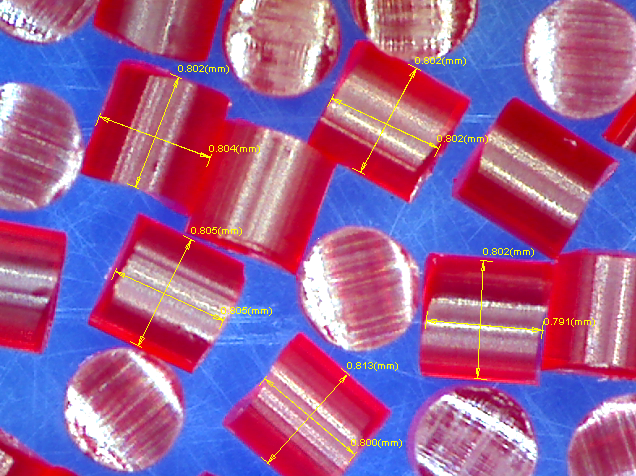
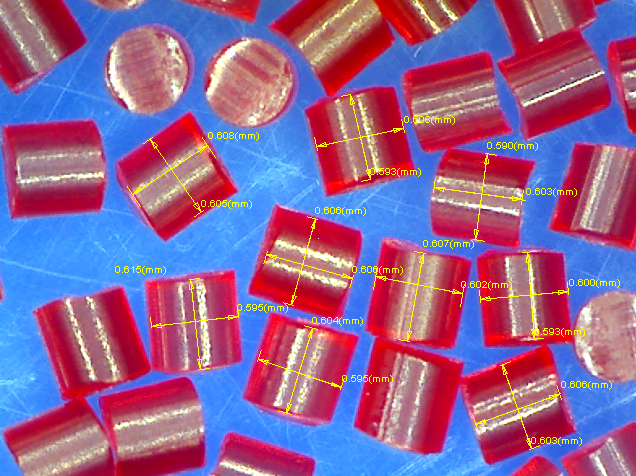

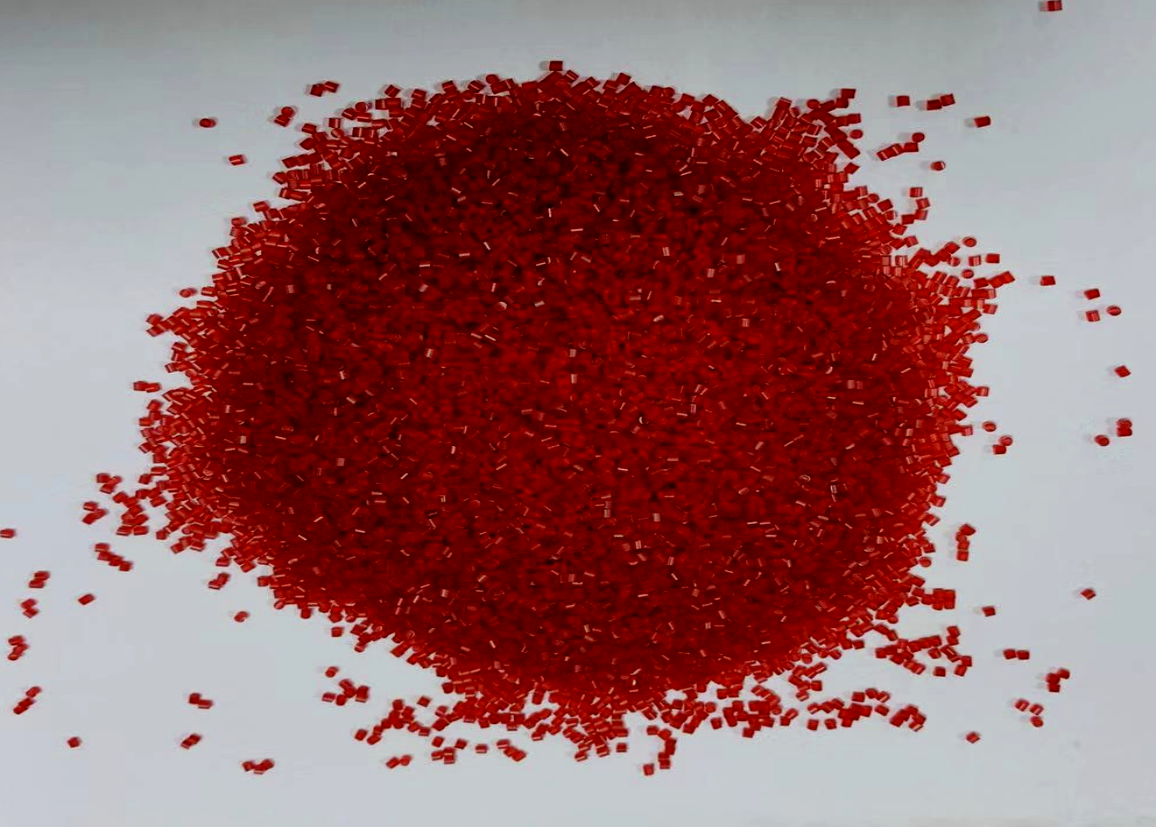
About the hardness of PA6 nylon sand
2024-07-26
About the hardness of PA6 nylon sand
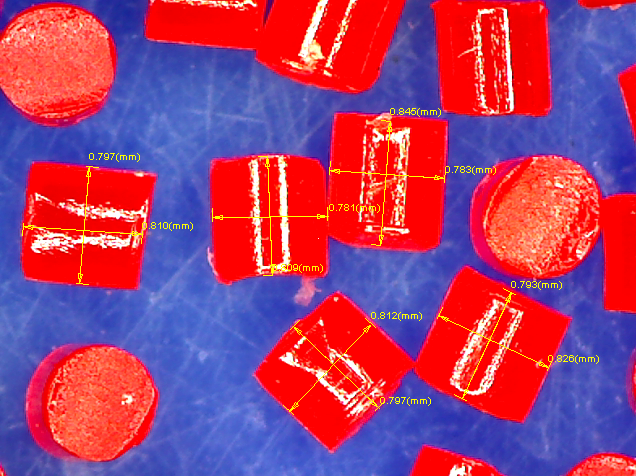
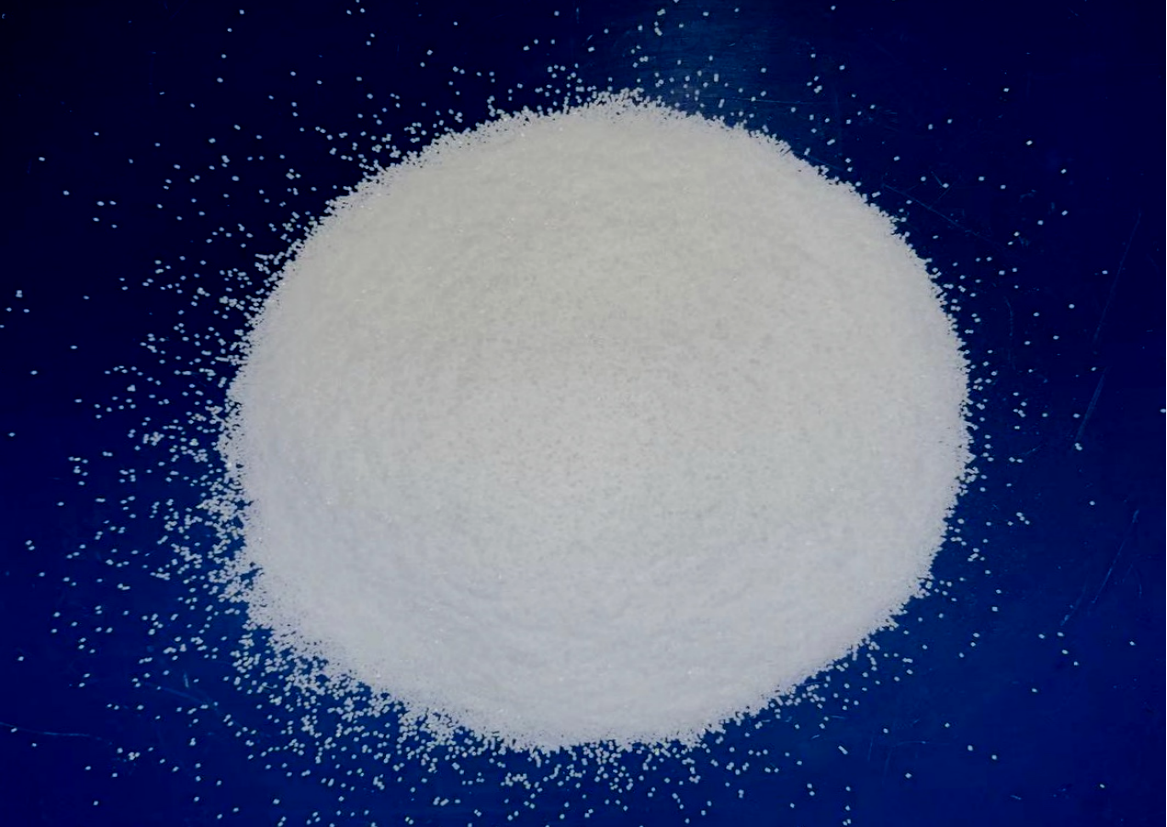
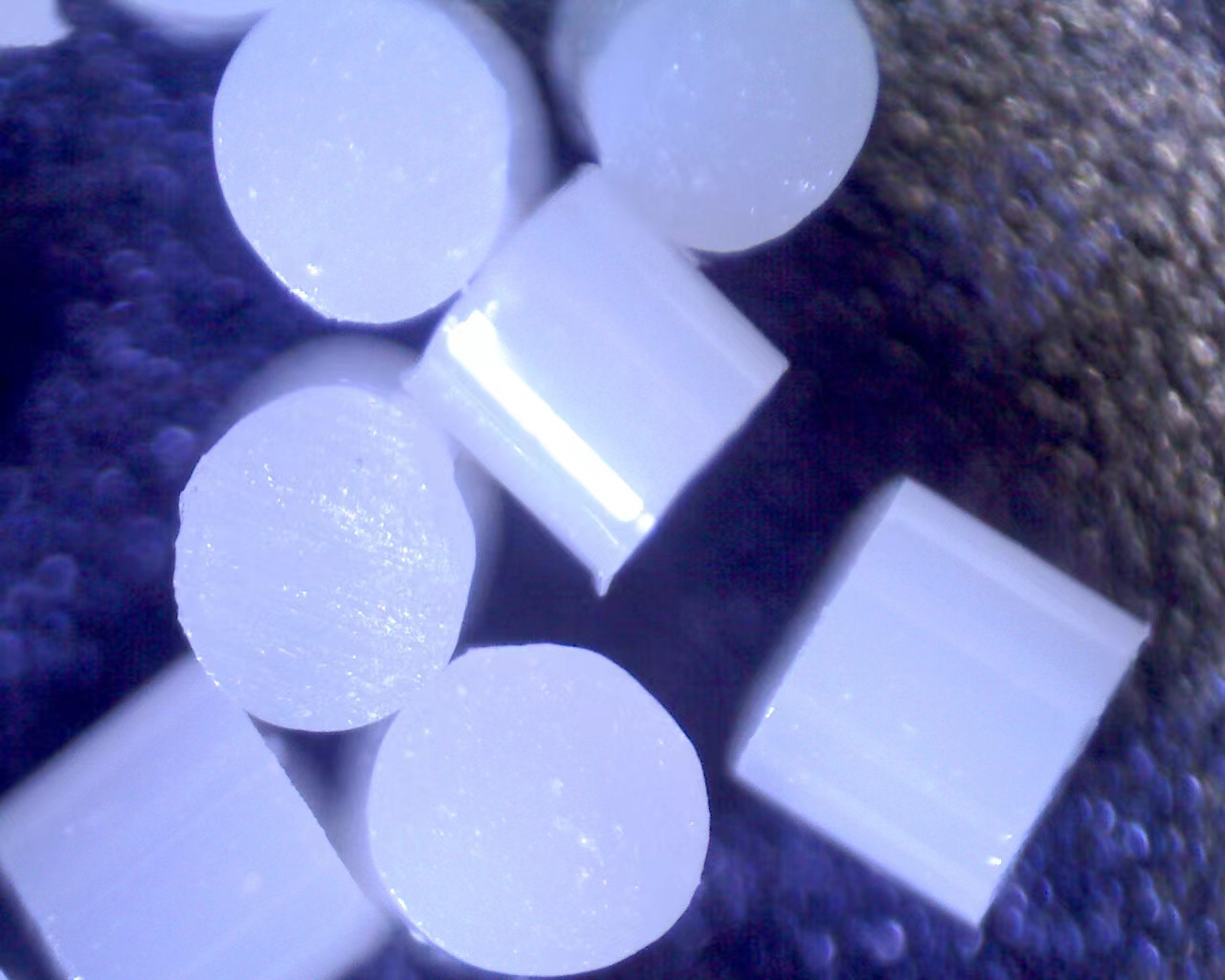
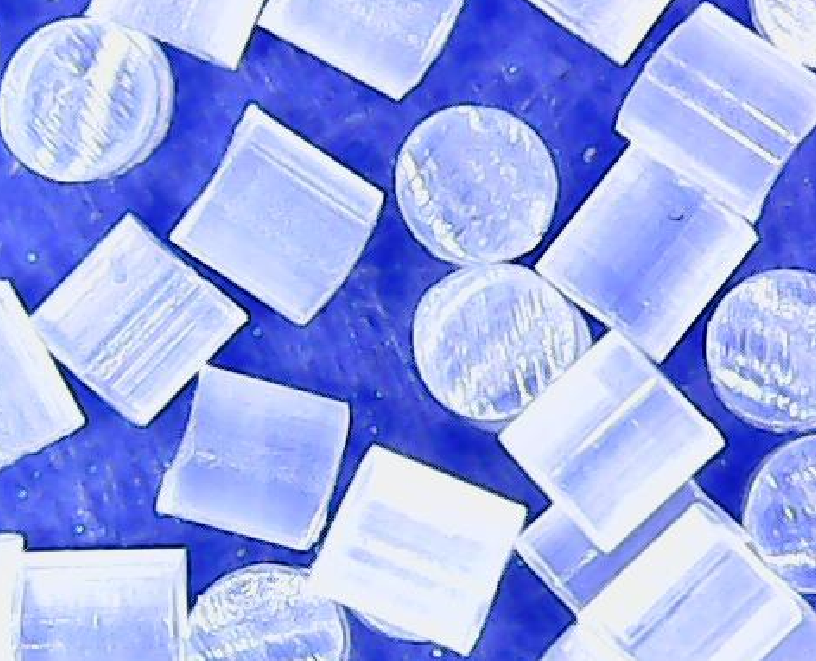
Regarding the hardness of PA6 nylon sand, its Rockwell hardness (HRC) is generally in the range of 108-118, but the specific hardness value may vary due to factors such as production process, material formula, and subsequent processing. The following is a detailed description of the hardness of PA6 nylon sand:
Hardness range
Rockwell hardness (HRC): 108-118. This data comes from information from multiple authoritative chemical websites, such as 960 Chemical Network (Chemical Enterprise Alliance). These data provide a reliable reference range for the hardness of PA6 nylon sand.
Influencing factors
Production process: Different production processes may cause the hardness of nylon sand to be different. For example, injection molding, extrusion molding and other processes have a certain impact on the hardness of the material.
Material formula: The formula of nylon sand may contain other additives or modifiers, and the proportions and types of these ingredients will also affect its hardness.
Follow-up processing: Follow-up processes such as heat treatment and surface treatment will also have a certain impact on the hardness of nylon sand.
Relationship between hardness and performance
Hardness is an important indicator of the performance of nylon sand materials, which reflects the material's ability to resist local pressure deformation.
Nylon sand with high hardness usually performs better in terms of wear resistance and compressive strength, but it may also lead to increased material brittleness and reduced impact resistance.
Precautions
When using PA6 nylon sand, the appropriate hardness range should be selected according to the specific application scenarios and requirements.
At the same time, other performance indicators of the material need to be considered, such as density, tensile strength, elongation at break, bending elastic modulus, etc., to comprehensively evaluate the applicability of the material.
To sum up, the hardness of PA6 nylon sand is generally in the range of 108-118 HRC, but the specific hardness value needs to be determined according to factors such as production process, material formula and subsequent processing. When selecting and using, the various performance indicators and application requirements of the material should be comprehensively considered.
Brief introduction of PA6 nylon sand
Resin sand
Related Article
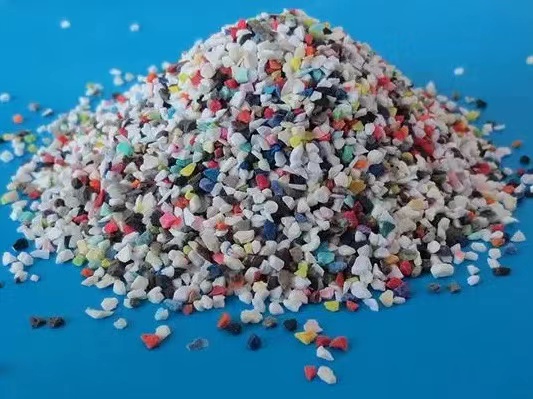
Resin sand is a type of molding sand that is widely used in the foundry industry for making high-precision castings. It is made by mixing natural silica sand with resin and hardener, which then sets to form a solid casting mold. Resin sand has several advantages over traditional molding sands, including improved dimensional accuracy, surface finish, and mold strength.
Resin sand
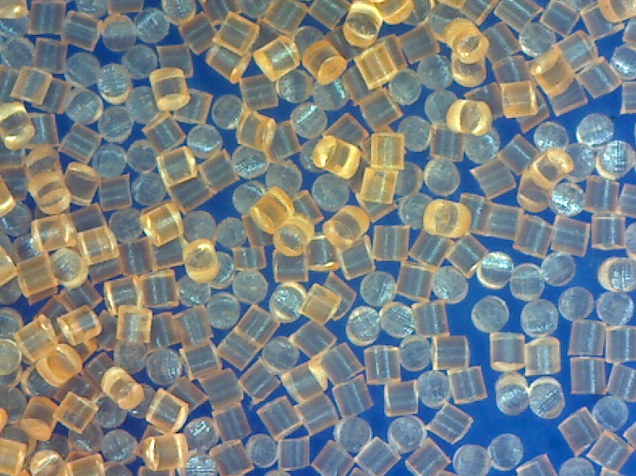
Recently, good news has come from the domestic sandblasting material market. A high-performance PA6 nylon sand sandblasting material has been officially launched, marking an important step in my country's technological innovation in this field. PA6 nylon sand has quickly become a popular choice in the sandblasting industry due to its unique wear resistance, high toughness and good chemical stability.
Sand blasting material PA6 nylon sand
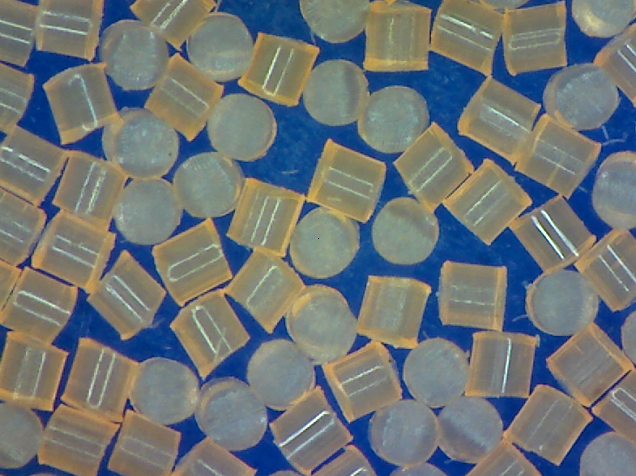
Sandblasting Materials: Pioneering Innovations Shaping the Future of Surface Treatment。In the vast landscape of industrial surface treatment, sandblasting materials have emerged as key players, driving advancements and transforming the way materials are prepared, finished, and enhanced. From traditional abrasive media to cutting-edge eco-friendly alternatives, the evolution of sandblasting materials underscores the relentless pursuit of efficiency, sustainability, and performance excellence.
sandblasting material
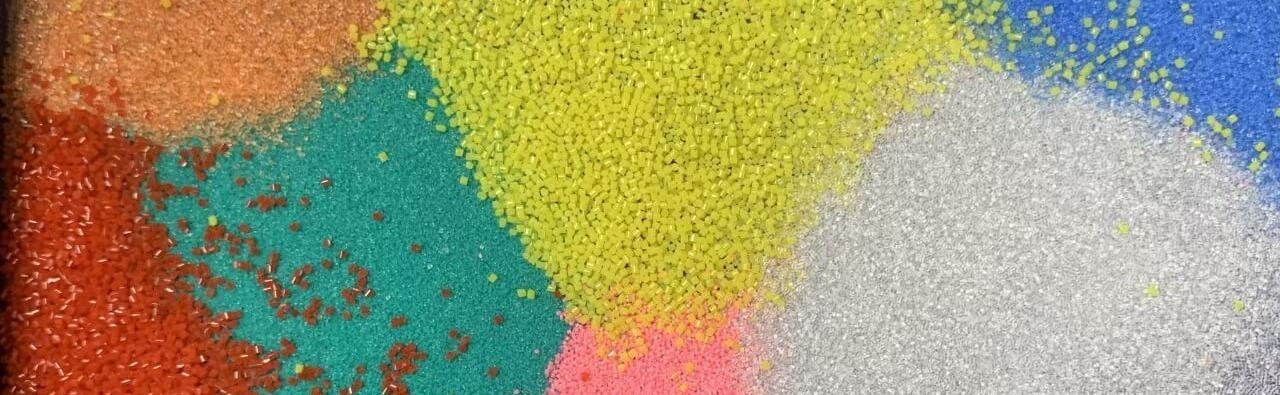
In the realm of industrial processing and surface finishing, a significant milestone has been achieved with the continued evolution and refinement of sandblasting techniques. Once considered a rudimentary method of surface preparation, sandblasting has transformed into a sophisticated technology, firmly establishing itself as a testament to the relentless progress of contemporary science and engineering.
Sandblasting: A Testament to Modern Technological Advancement