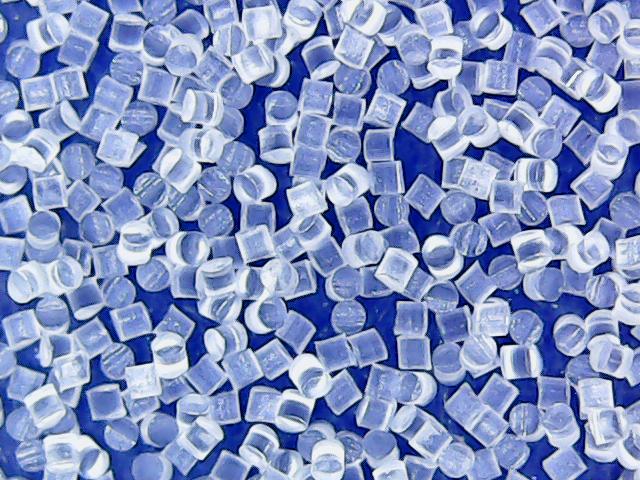
Best Selling Product
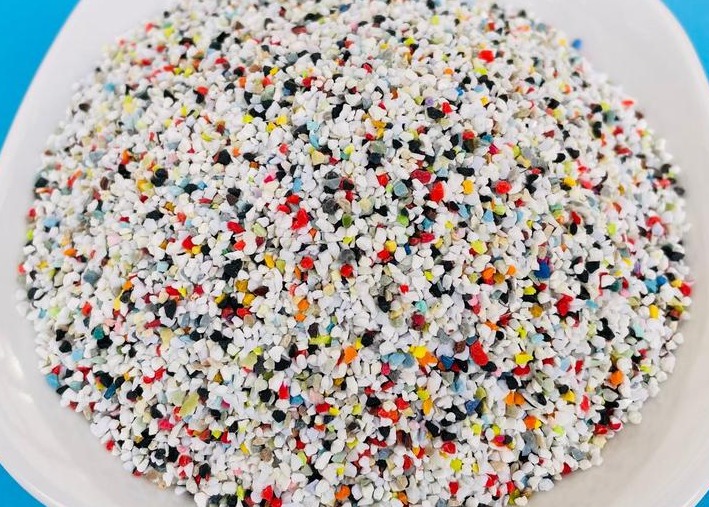
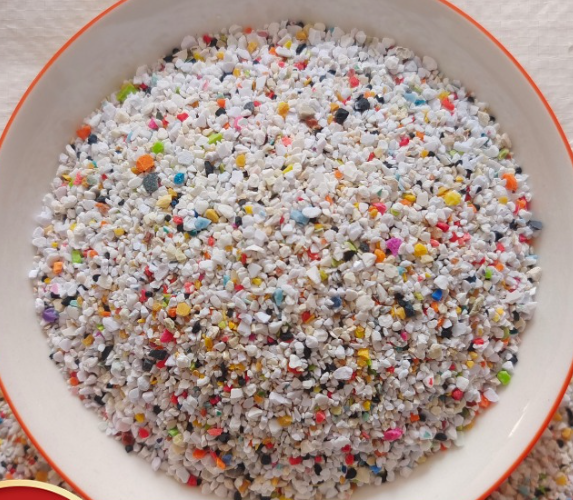
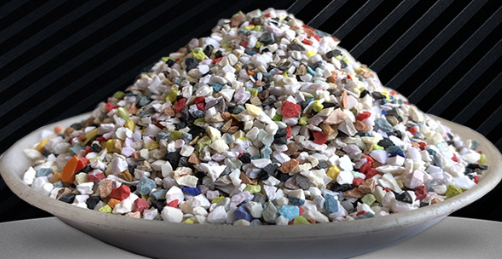
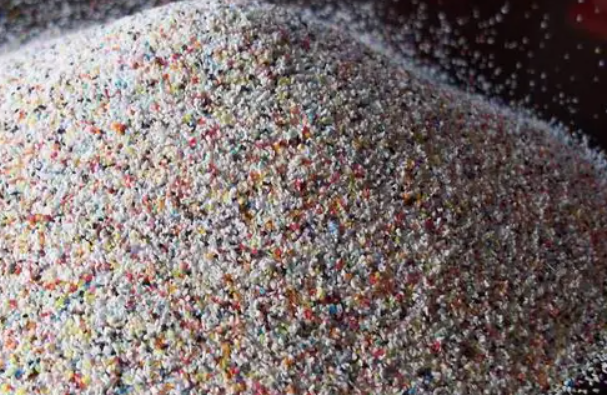

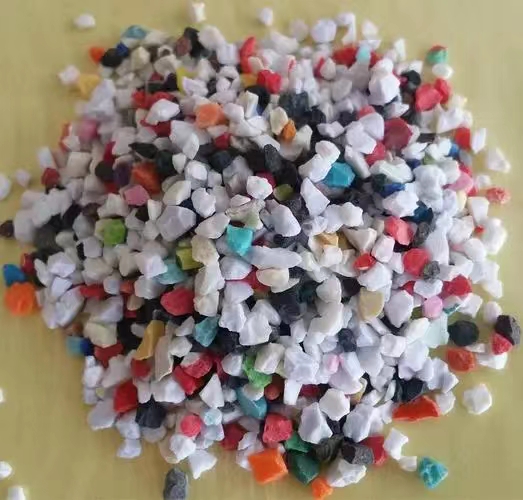
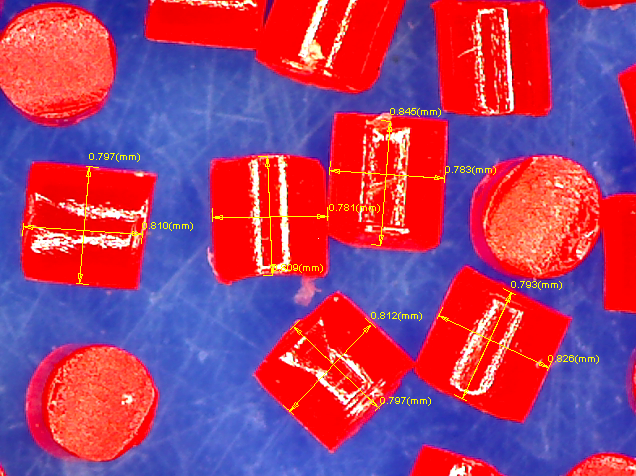
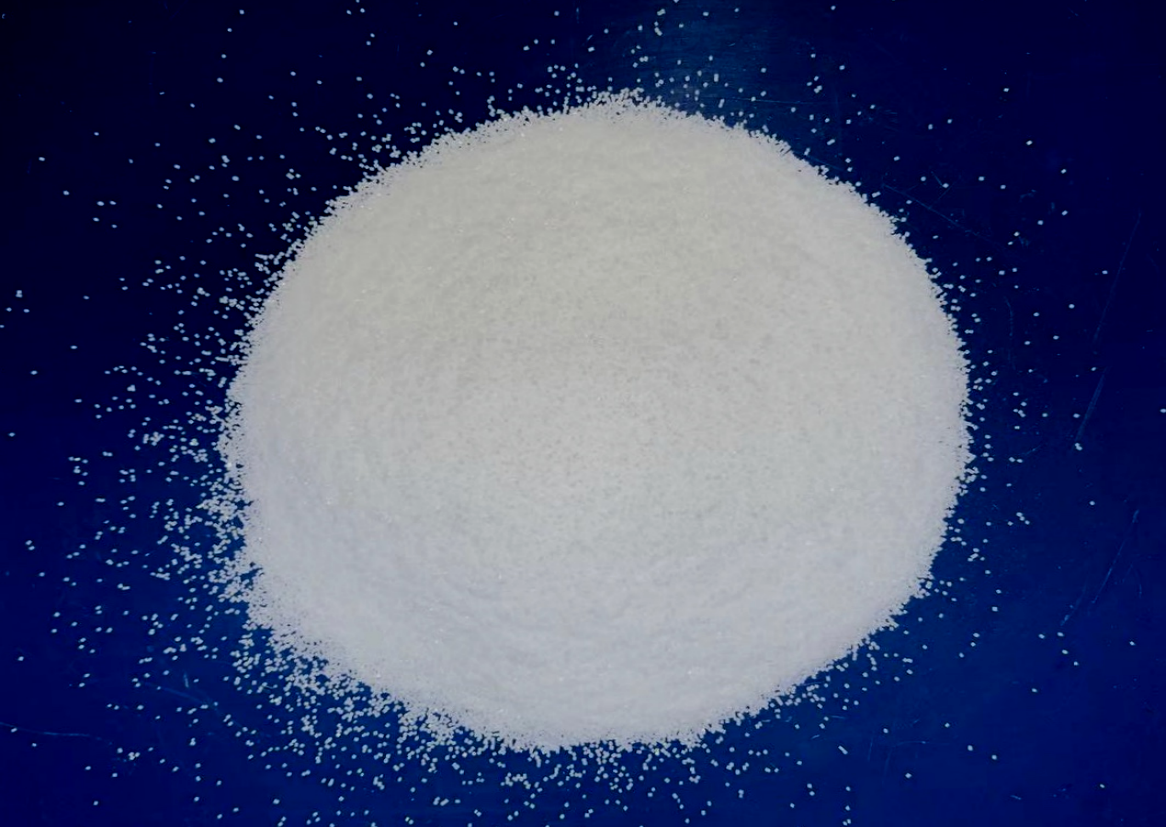
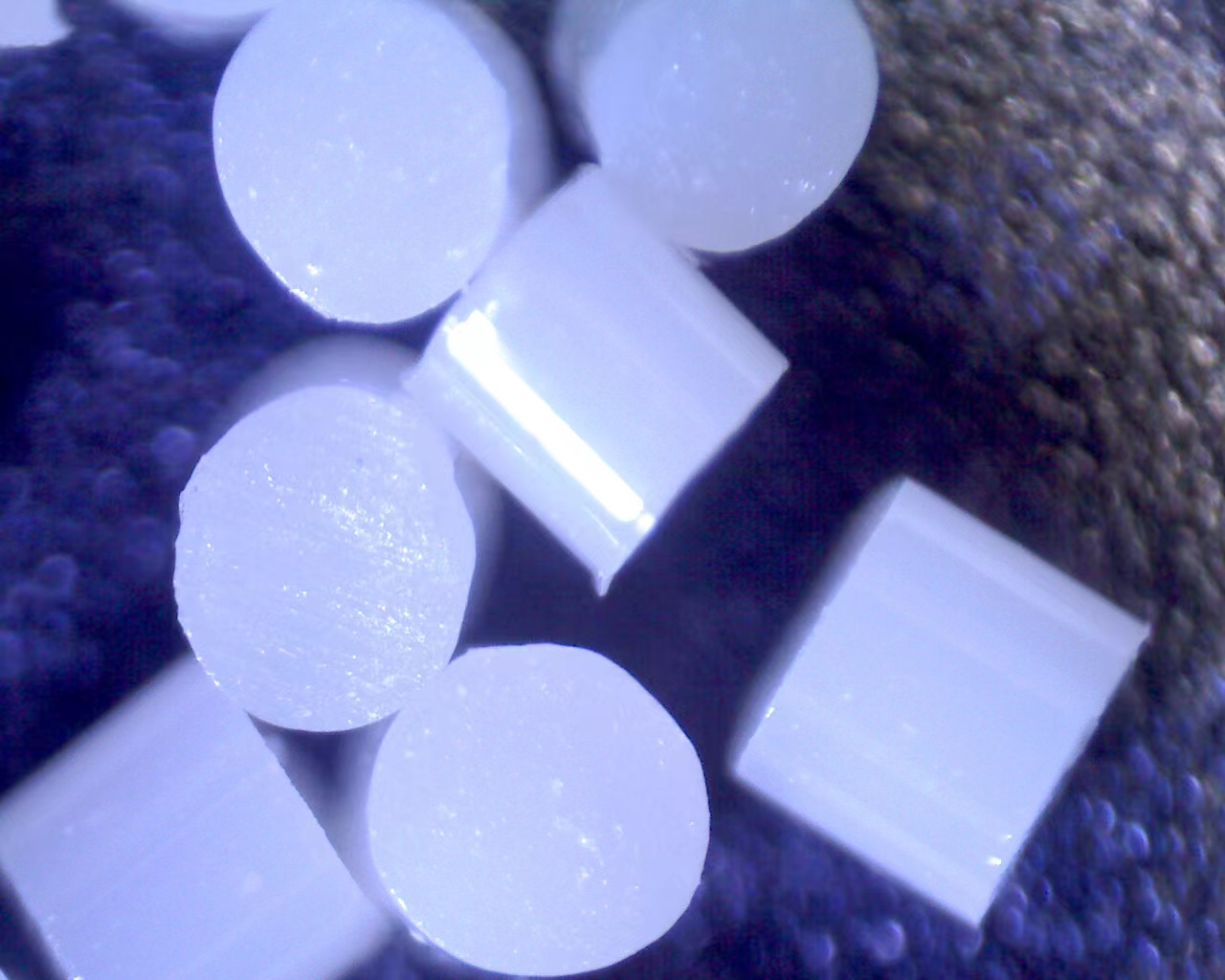
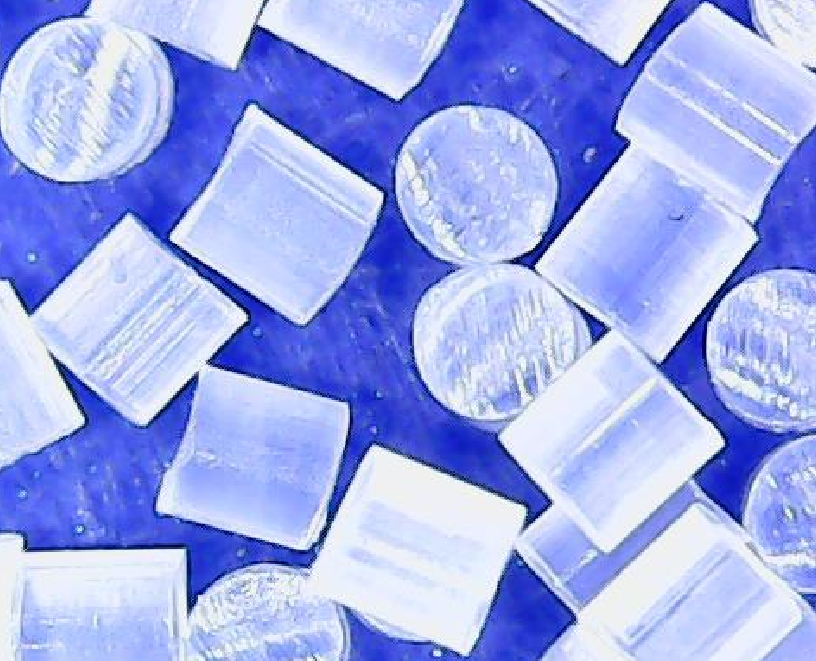

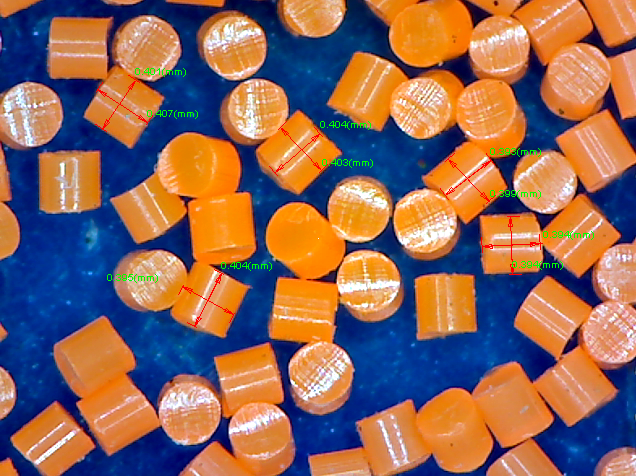
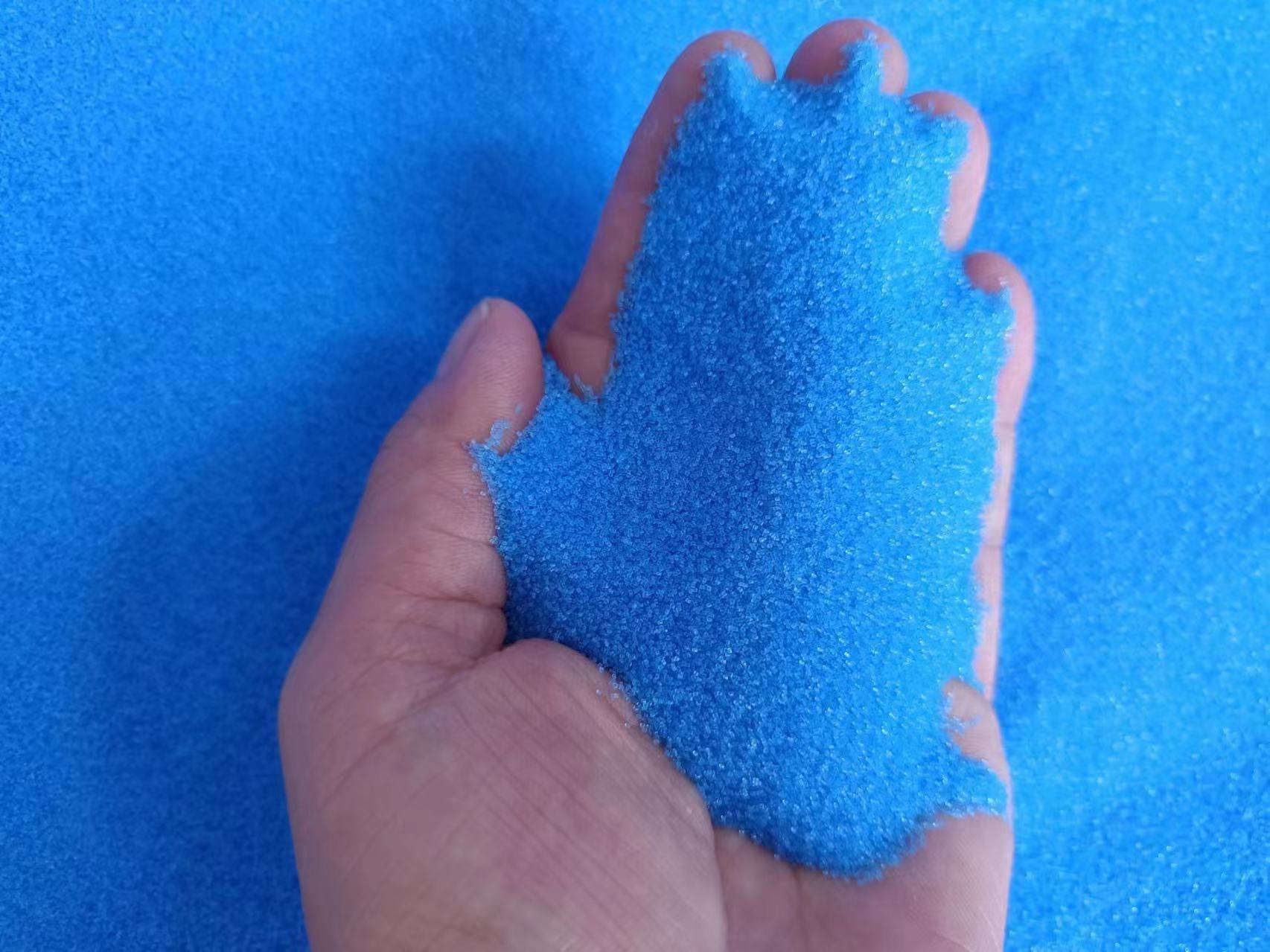
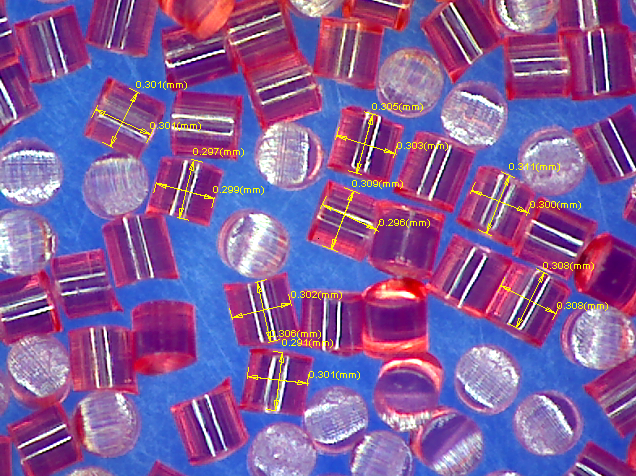
sandblasting material
2024-07-30
Sandblasting Materials: Pioneering Innovations Shaping the Future of Surface Treatment
In the vast landscape of industrial surface treatment, sandblasting materials have emerged as key players, driving advancements and transforming the way materials are prepared, finished, and enhanced. From traditional abrasive media to cutting-edge eco-friendly alternatives, the evolution of sandblasting materials underscores the relentless pursuit of efficiency, sustainability, and performance excellence.
Tradition Meets Innovation
Historically, sandblasting relied heavily on natural materials such as river sand and crushed garnet as abrasive media. While these materials were effective in removing surface imperfections and preparing materials for further processing, they also came with significant drawbacks. River sand, for instance, posed environmental concerns due to its depletion of natural resources and potential contamination of waterways. In response to these challenges, the industry embarked on a journey of innovation, exploring alternative sandblasting materials that offered superior performance while mitigating environmental impacts.
Eco-Friendly Revolution
Today, the sandblasting industry is undergoing a green revolution, with eco-friendly materials leading the charge. Glass beads, ceramic beads, and recycled media have emerged as popular choices, offering a combination of durability, efficiency, and environmental responsibility. Glass beads, for example, are known for their spherical shape, which ensures a uniform and controlled blasting pattern, resulting in smoother finishes and reduced surface roughness. Ceramic beads, on the other hand, offer higher hardness and resistance to fracture, making them ideal for applications requiring aggressive material removal.
Moreover, the use of recycled media has gained traction in recent years, as it reduces waste and promotes circular economy principles. Recycled glass, aluminum oxide, and even plastic beads are being repurposed as sandblasting media, offering cost-effective solutions while minimizing the environmental footprint of the process.
Performance Optimization
The development of specialized sandblasting materials has also contributed to significant improvements in performance. For instance, engineered abrasive grains with tailored particle size distributions can achieve more precise control over surface roughness, enabling manufacturers to tailor finishes to specific application requirements. This level of precision is particularly important in industries such as aerospace, automotive, and medical device manufacturing, where even the slightest imperfection can compromise the performance and safety of the end product.
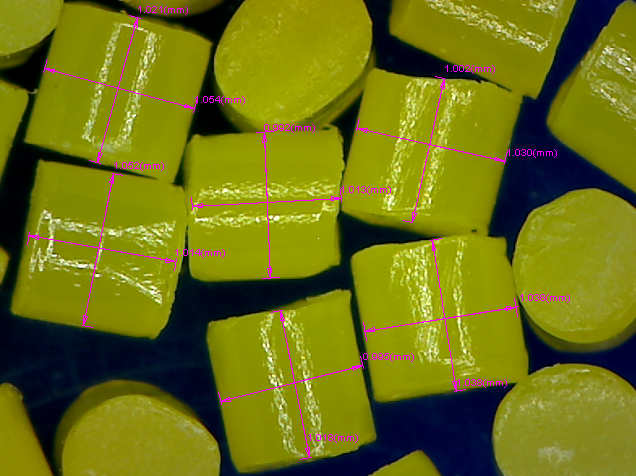
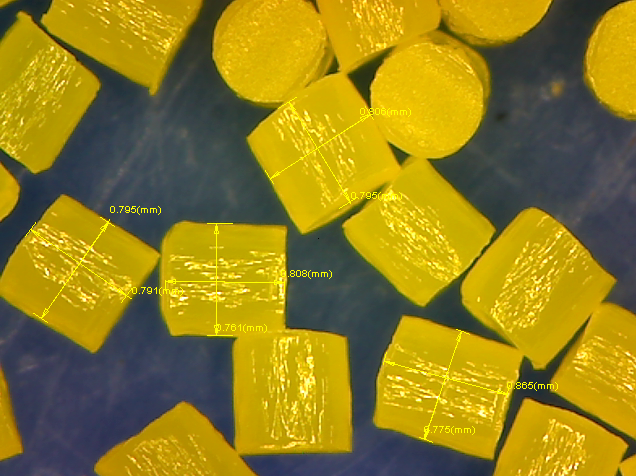
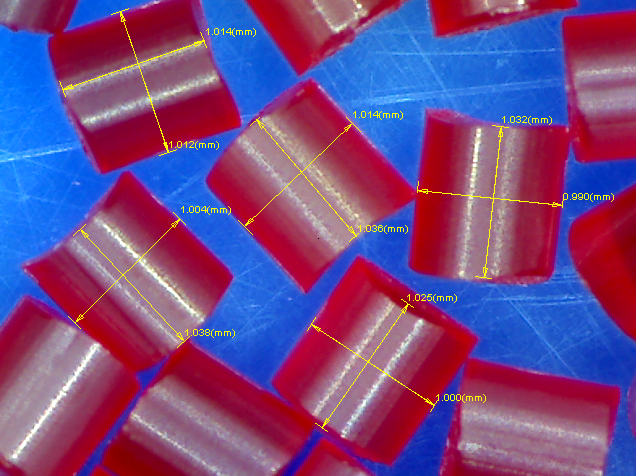
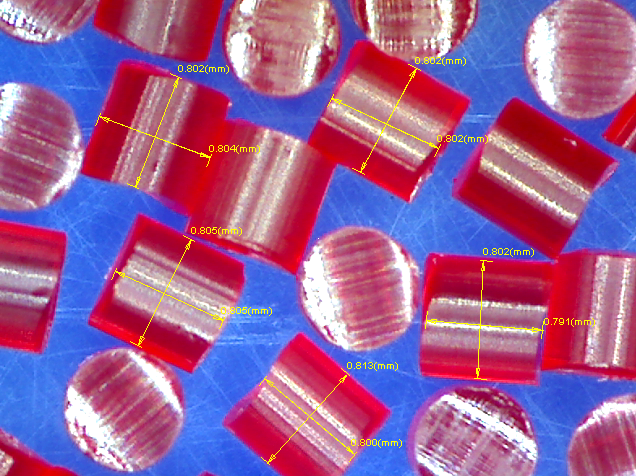
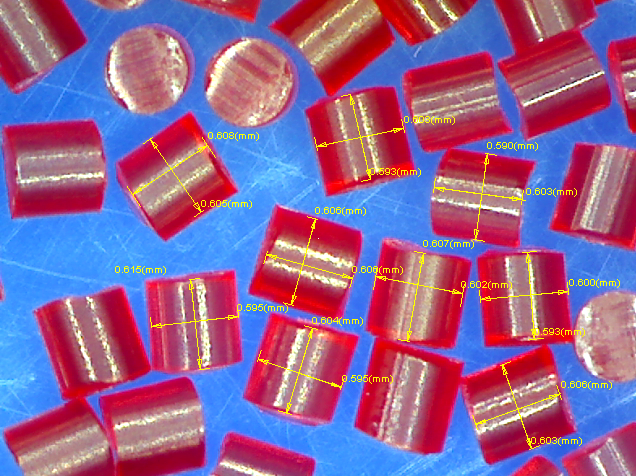
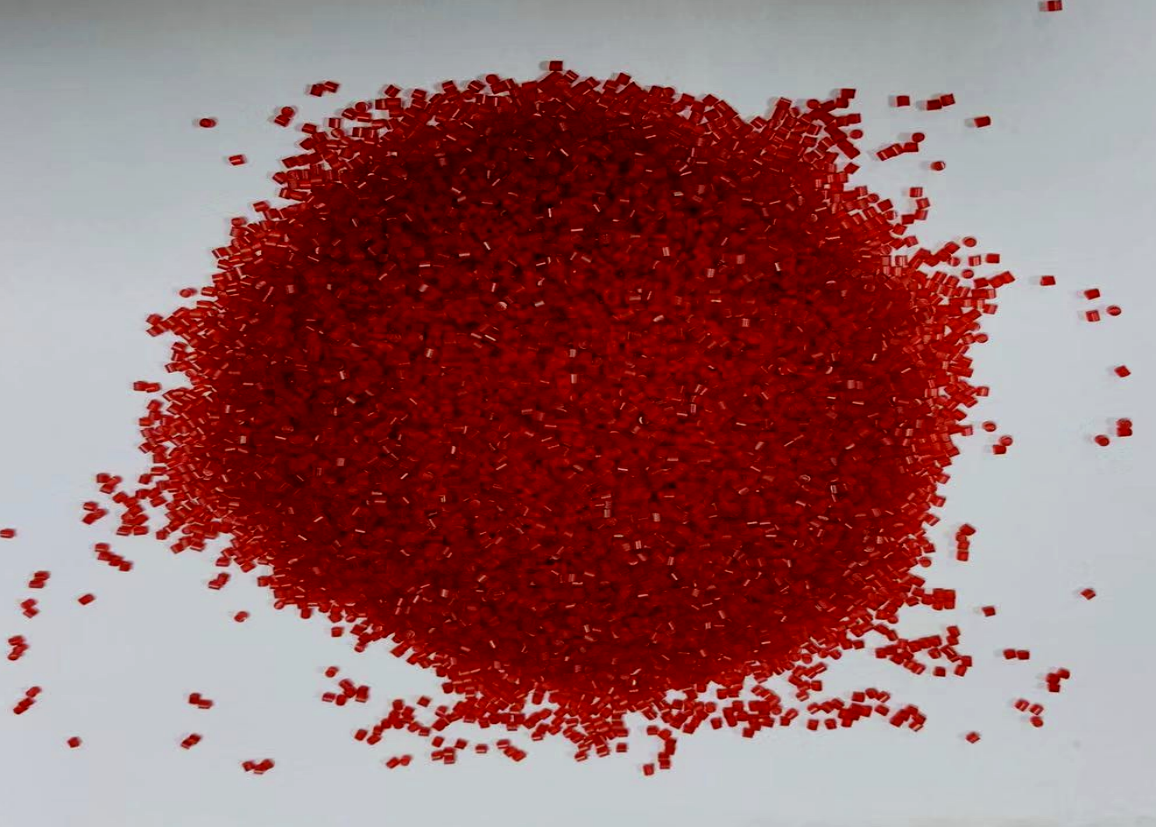
Sand blasting material PA6 nylon sand
Sandblasting: A Testament to Modern Technological Advancement
Related Article

Resin sand is a type of molding sand that is widely used in the foundry industry for making high-precision castings. It is made by mixing natural silica sand with resin and hardener, which then sets to form a solid casting mold. Resin sand has several advantages over traditional molding sands, including improved dimensional accuracy, surface finish, and mold strength.
Resin sand
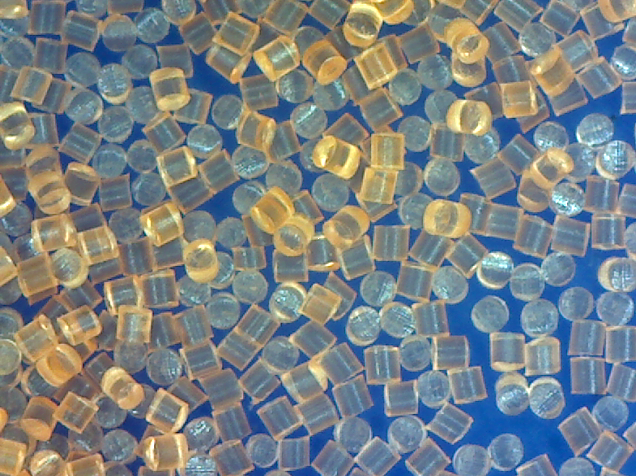
Recently, good news has come from the domestic sandblasting material market. A high-performance PA6 nylon sand sandblasting material has been officially launched, marking an important step in my country's technological innovation in this field. PA6 nylon sand has quickly become a popular choice in the sandblasting industry due to its unique wear resistance, high toughness and good chemical stability.
Sand blasting material PA6 nylon sand
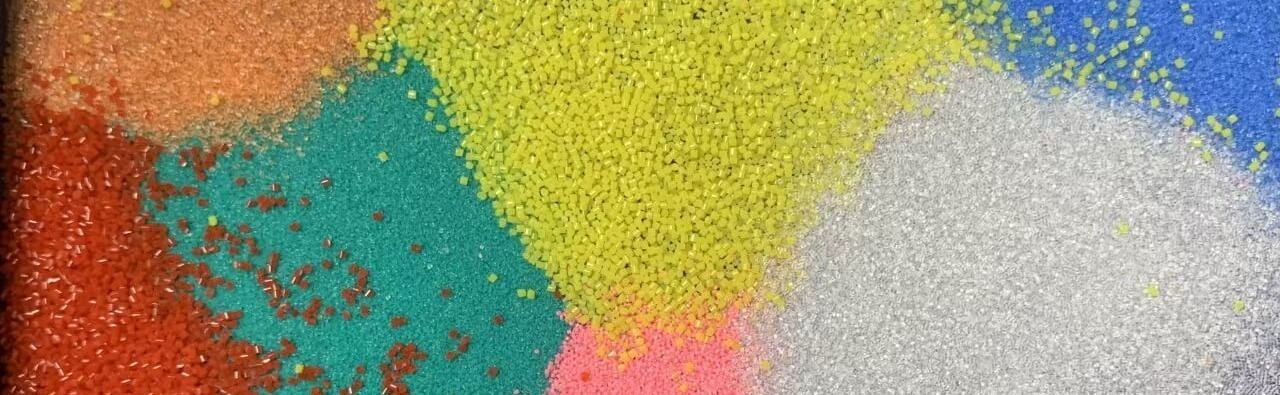
In the realm of industrial processing and surface finishing, a significant milestone has been achieved with the continued evolution and refinement of sandblasting techniques. Once considered a rudimentary method of surface preparation, sandblasting has transformed into a sophisticated technology, firmly establishing itself as a testament to the relentless progress of contemporary science and engineering.
Sandblasting: A Testament to Modern Technological Advancement