
Best Selling Product
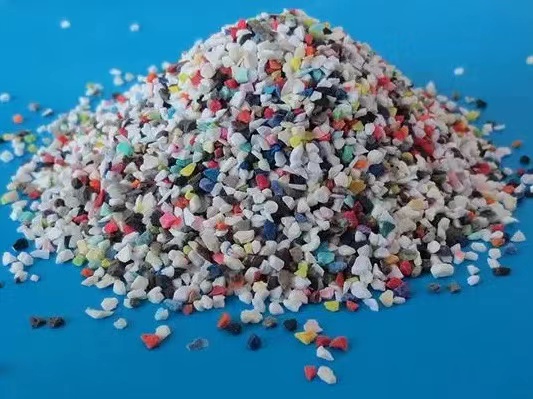
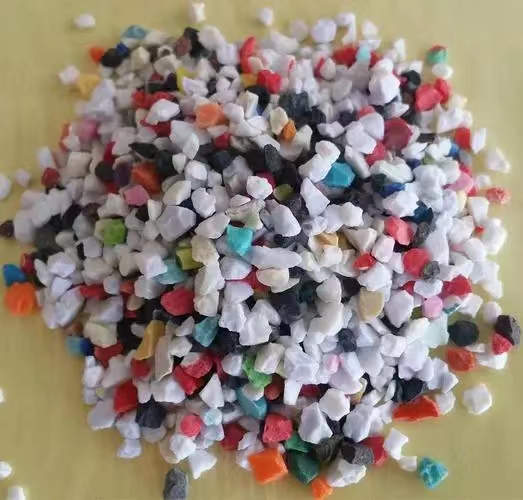
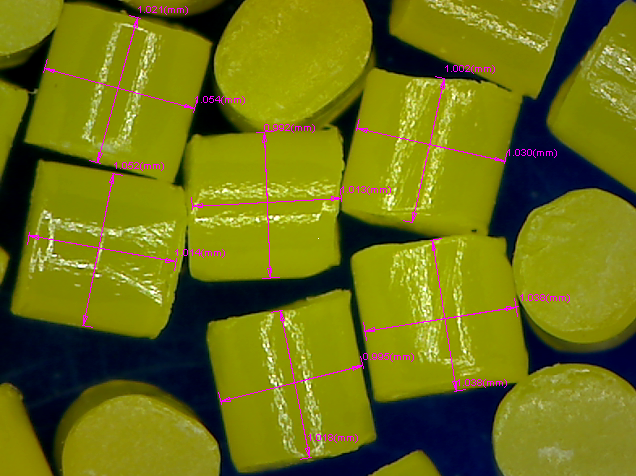
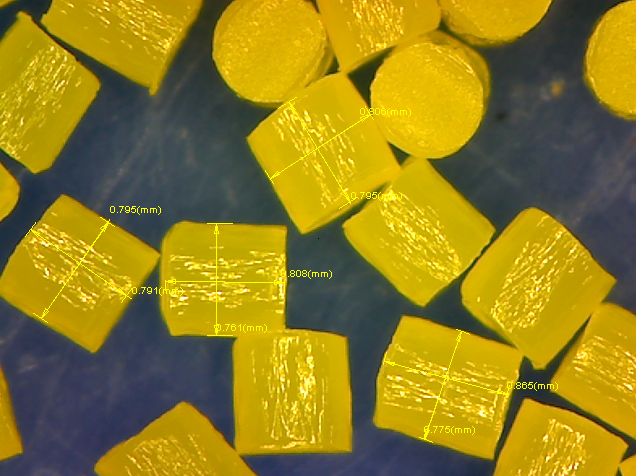

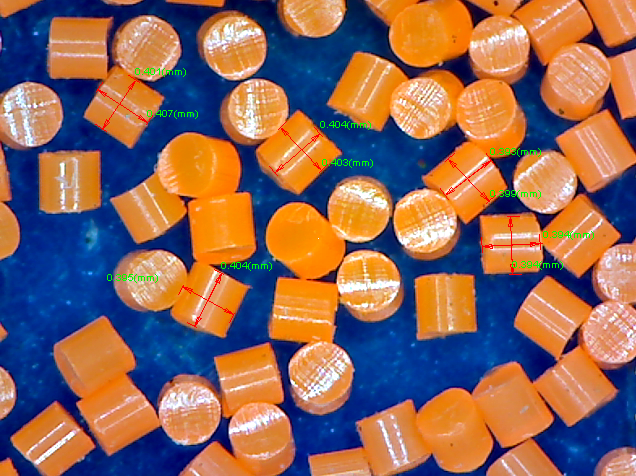
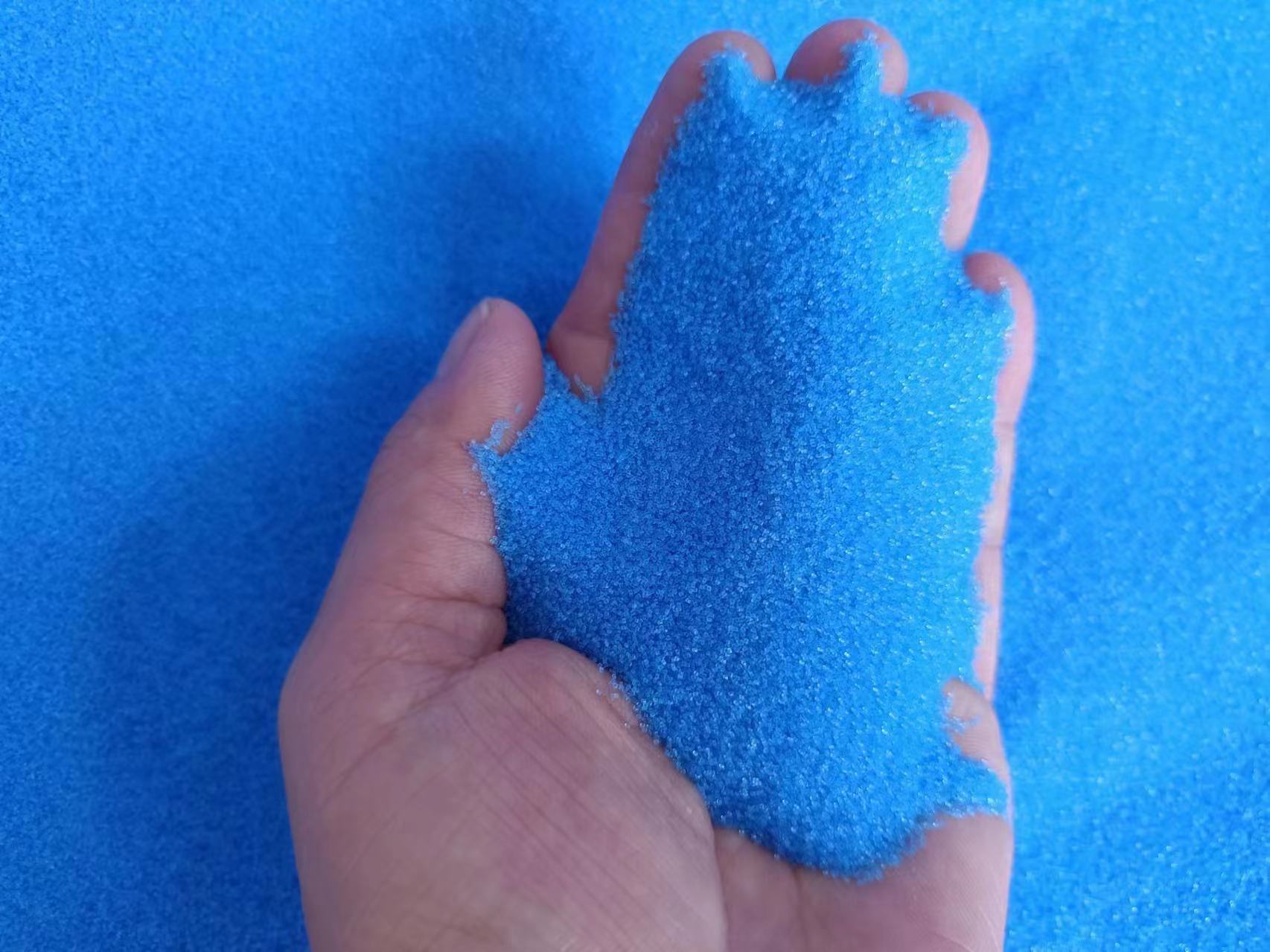
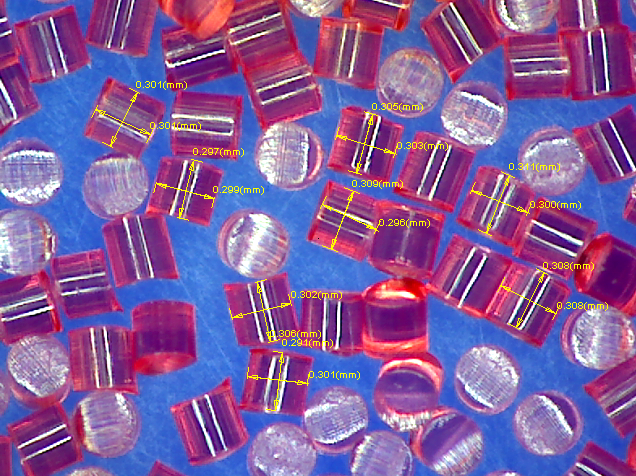
Brief introduction of PA6 nylon sand
2024-07-27
Brief introduction of PA6 nylon sand
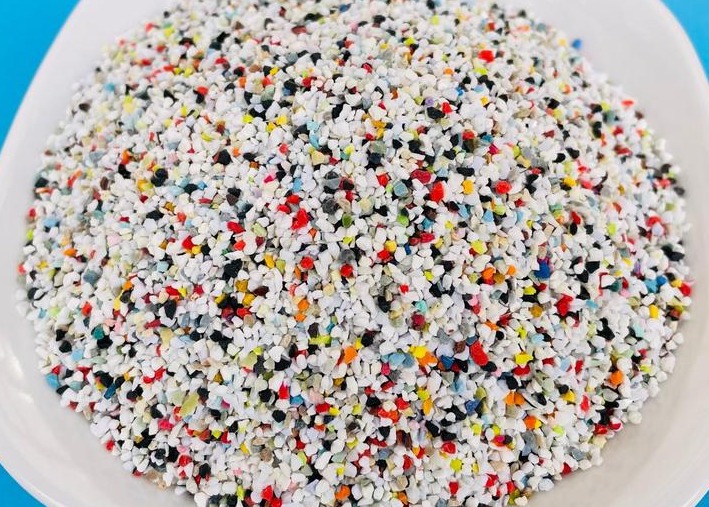
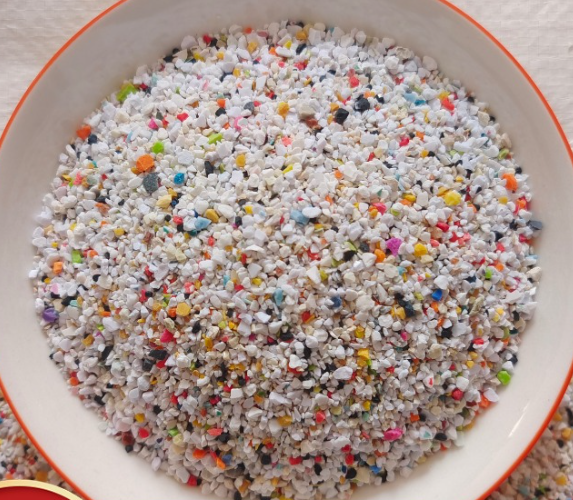
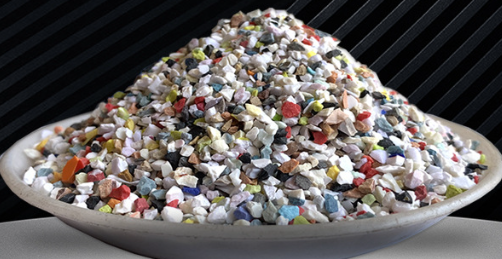
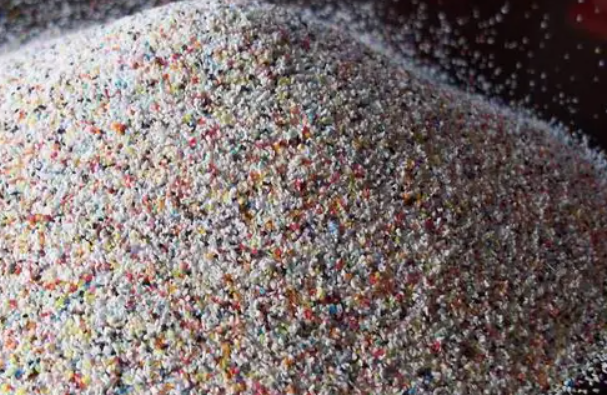
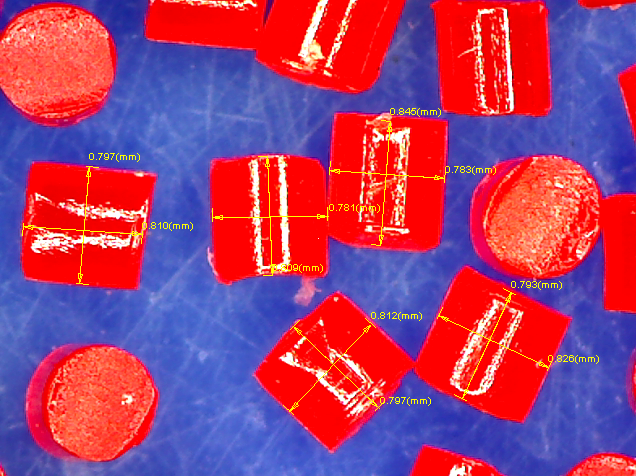
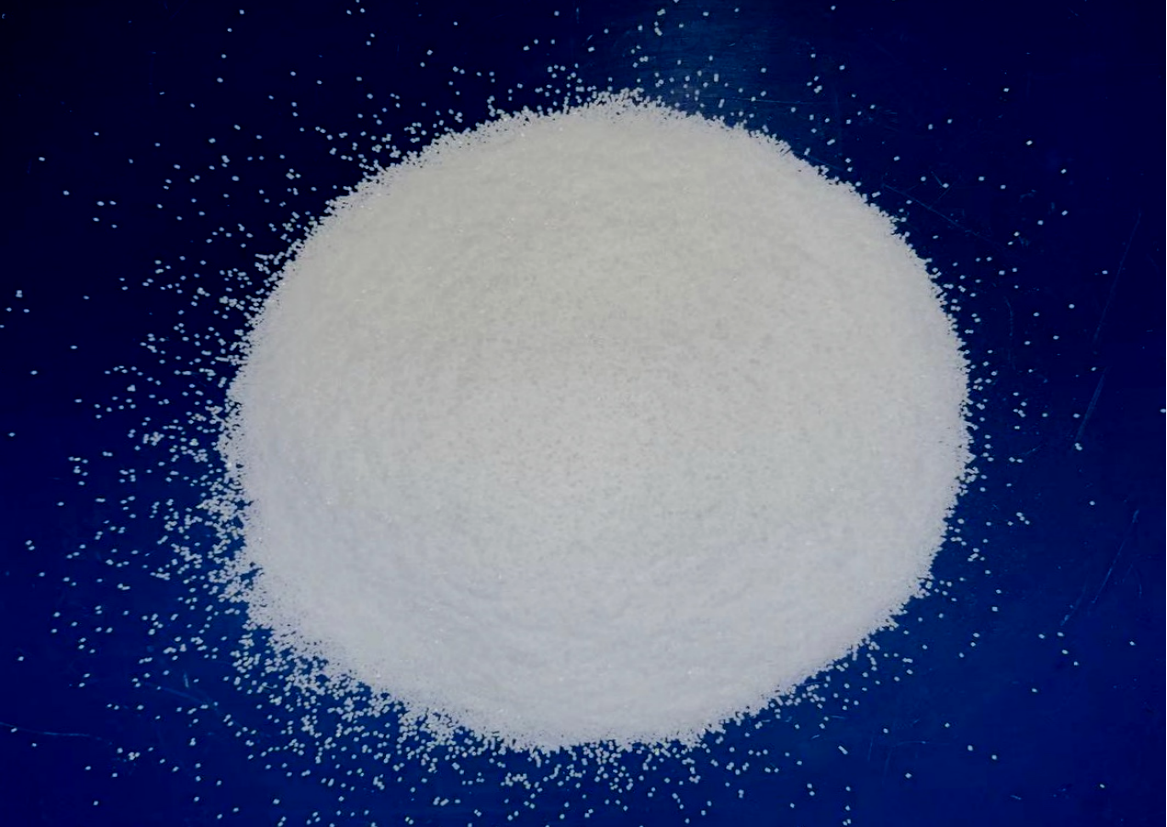
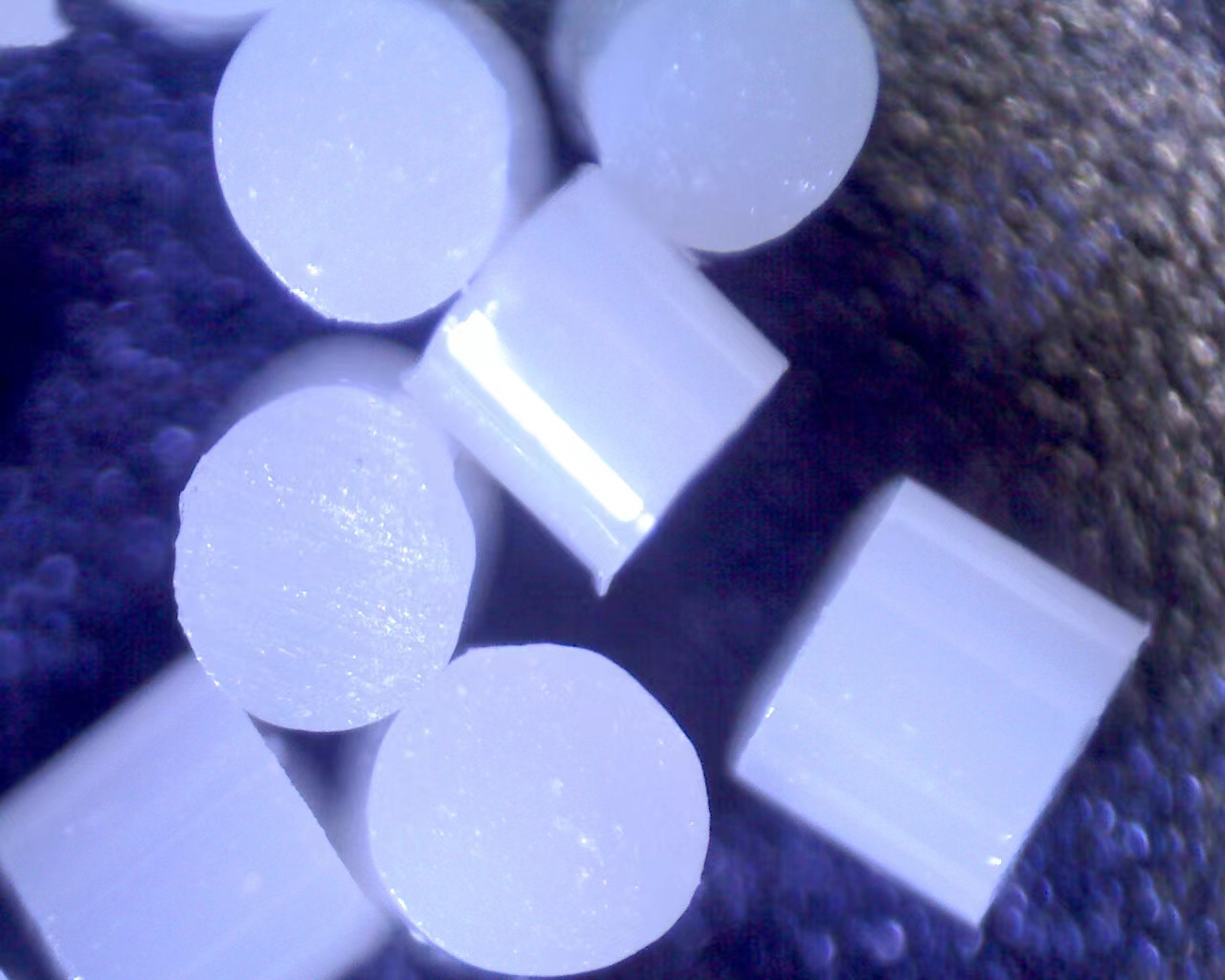
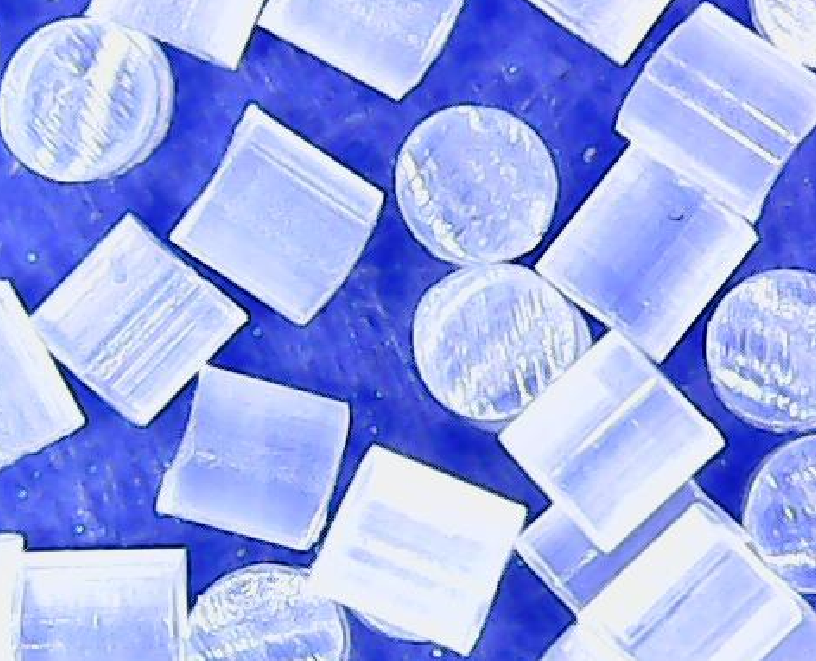
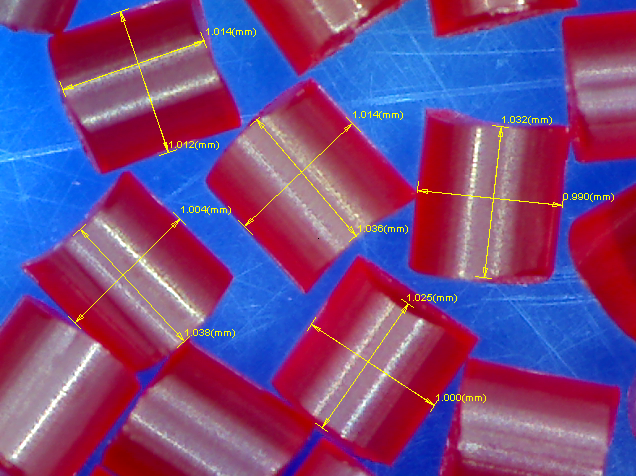
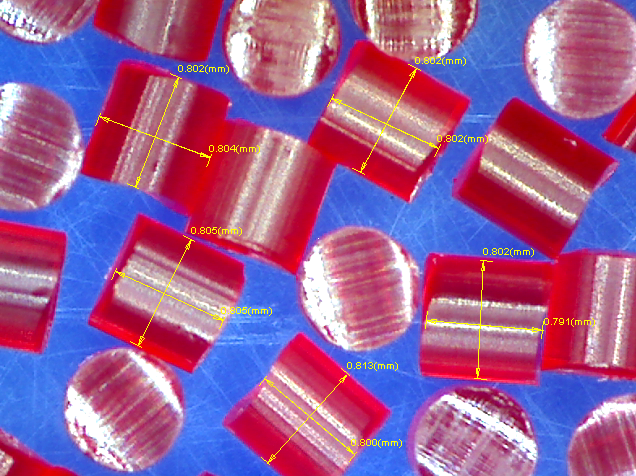
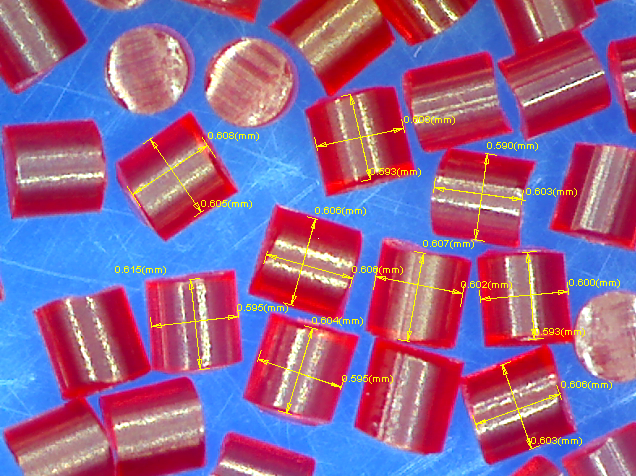
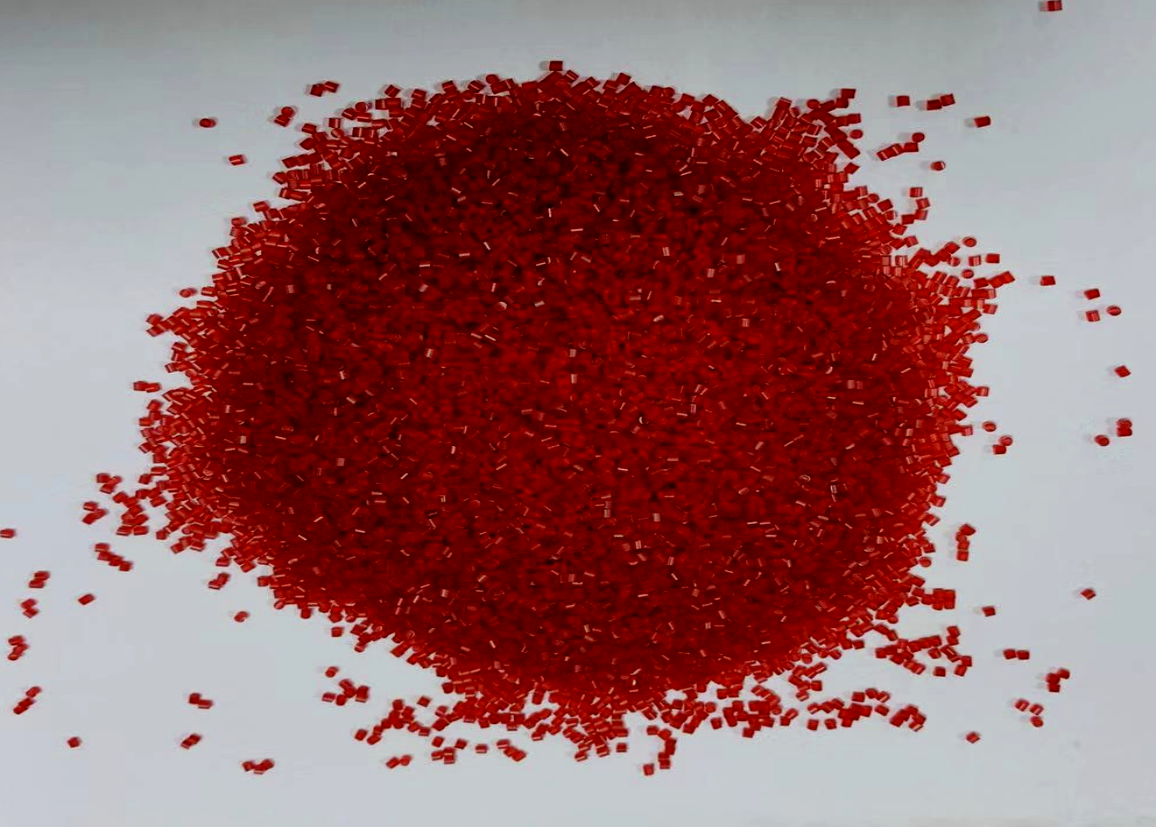
PA6 nylon sand, also often called polyamide 6 (Polyamide 6) or nylon 6 (Nylon 6), is a thermoplastic engineering plastic with many excellent physical and chemical properties.
The following is a detailed introduction to PA6 nylon sand:

1. Basic properties
Chemical name: Polyamide 6 (Polyamide 6)
Abbreviation: PA6
Commonly known as: Nylon 6
Molecular formula: [-NH-(CH2)5-CO]n-
Appearance: Milky white or yellowish transparent to opaque horny crystalline polymer
Density: about 1.13-1.15g/cm³
Melting point: 215-225℃
Thermal decomposition temperature: >300℃
2. Physical and chemical properties
Thermoplasticity: PA6 has excellent thermoplasticity and can soften and reshape at high temperatures.
Lightweight: Compared with other engineering plastics, PA6 has a lower density, making its products lighter.
Good toughness: PA6 has excellent toughness and can withstand large impacts and stresses.
Wear resistance: It has good wear resistance and is suitable for occasions requiring wear resistance.
Self-lubricating: The surface friction coefficient is small and self-lubricating, which can reduce friction and wear.
Chemical resistance: Good resistance to weak acids, weak bases and some organic solvents, but not resistant to strong acids and oxidants.
Electrical properties: It has excellent electrical properties, good electrical insulation, and high breakdown voltage resistance.
High water absorption: PA6 is the PA with the highest water absorption, poor dimensional stability, and affects electrical properties (such as breakdown voltage).
3. Processing technology
Drying treatment: Since PA6 easily absorbs moisture, drying treatment is required before processing. It is generally recommended that when the humidity is greater than 0.2%, it should be dried in hot air above 80°C for 16 hours, or vacuum dried at 105°C.
Melting temperature: 230-280℃, for reinforced varieties 250-280℃.
Mold temperature: 80-90℃. Mold temperature significantly affects crystallinity, which in turn affects the mechanical properties of plastic parts.
Injection pressure: generally between 750-1250bar, depending on material and product design.
Injection speed: It is recommended to use a relatively fast injection speed to improve production efficiency.
4. Application scope

PA6 nylon sand is widely used in various fields due to its excellent performance:

Industrial production: manufacturing bearings, circular gears, cams, pulleys, pump impellers, fan blades, etc.
Automobile manufacturing: used in many parts of automobile engine parts, electrical parts, body parts and airbags, such as radiator boxes, heater boxes, fan blades, gears, etc.
Packaging industry: used in food packaging, medical packaging, etc.
Daily necessities: such as underwear, socks, shirts and other textiles, as well as ropes, transmission belts, etc.
5. Modification application

In order to improve the performance of PA6 and meet specific needs, it is often modified, such as blending modification, filling-enhanced modification and copolymerization modification, etc. These modification methods can effectively improve the mechanical properties, dimensional stability, and reduce water absorption of PA6.

To sum up, PA6 nylon sand is a thermoplastic engineering plastic with excellent performance and has broad application prospects.
Sandblasting: A Testament to Modern Technological Advancement
About the hardness of PA6 nylon sand
Related Article
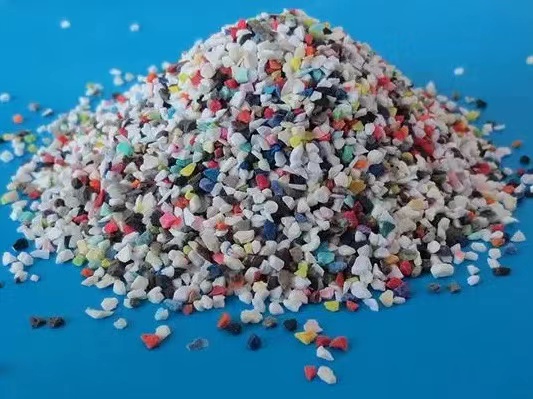
Resin sand is a type of molding sand that is widely used in the foundry industry for making high-precision castings. It is made by mixing natural silica sand with resin and hardener, which then sets to form a solid casting mold. Resin sand has several advantages over traditional molding sands, including improved dimensional accuracy, surface finish, and mold strength.
Resin sand
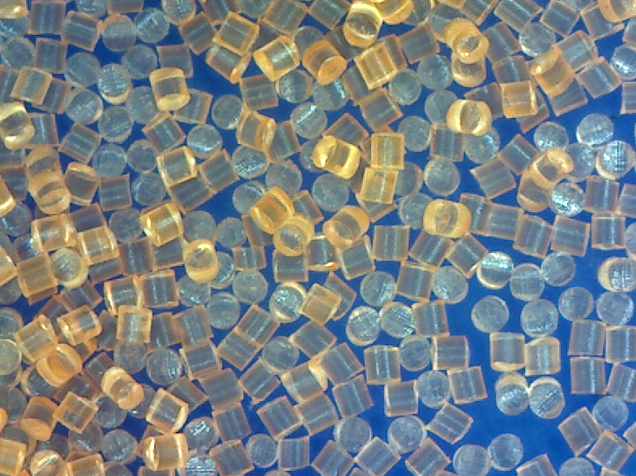
Recently, good news has come from the domestic sandblasting material market. A high-performance PA6 nylon sand sandblasting material has been officially launched, marking an important step in my country's technological innovation in this field. PA6 nylon sand has quickly become a popular choice in the sandblasting industry due to its unique wear resistance, high toughness and good chemical stability.
Sand blasting material PA6 nylon sand
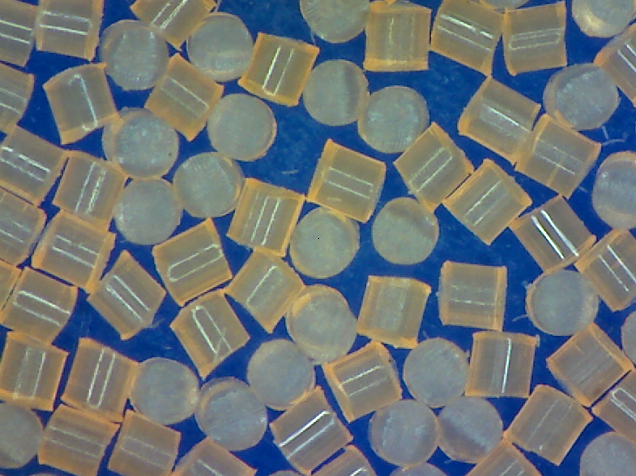
Sandblasting Materials: Pioneering Innovations Shaping the Future of Surface Treatment。In the vast landscape of industrial surface treatment, sandblasting materials have emerged as key players, driving advancements and transforming the way materials are prepared, finished, and enhanced. From traditional abrasive media to cutting-edge eco-friendly alternatives, the evolution of sandblasting materials underscores the relentless pursuit of efficiency, sustainability, and performance excellence.
sandblasting material
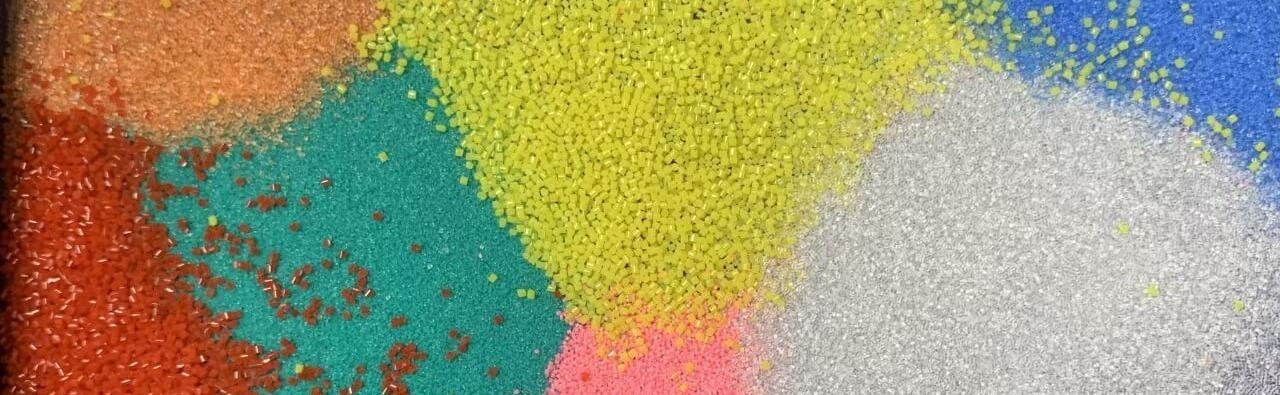
In the realm of industrial processing and surface finishing, a significant milestone has been achieved with the continued evolution and refinement of sandblasting techniques. Once considered a rudimentary method of surface preparation, sandblasting has transformed into a sophisticated technology, firmly establishing itself as a testament to the relentless progress of contemporary science and engineering.
Sandblasting: A Testament to Modern Technological Advancement