
Best Selling Product
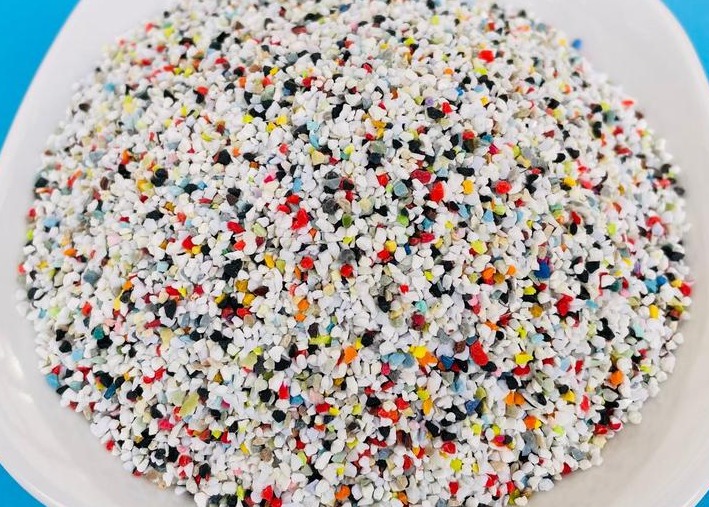
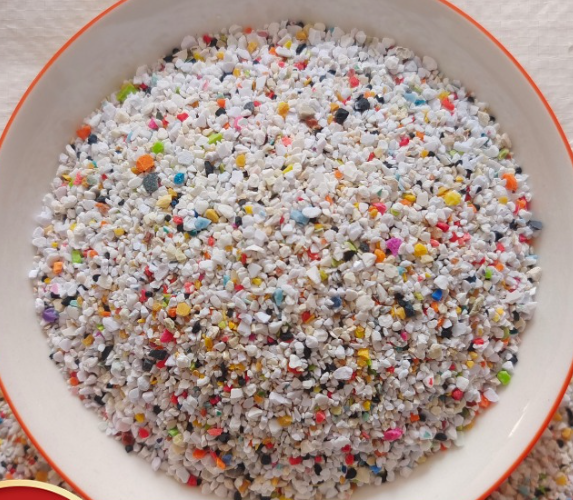
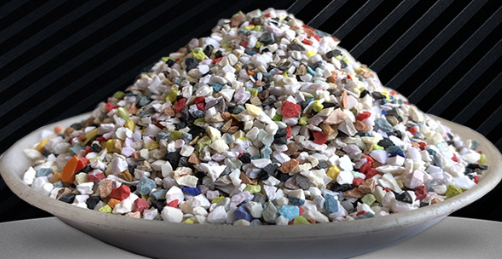
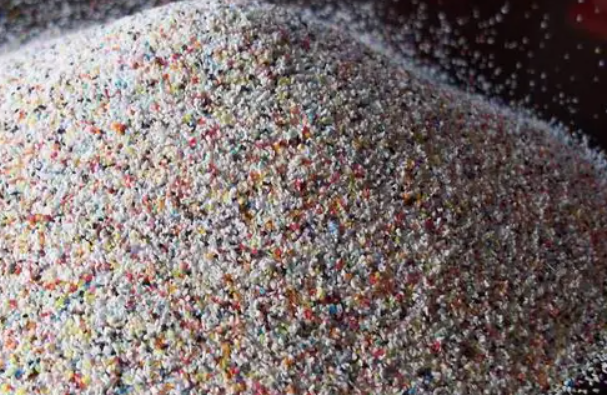
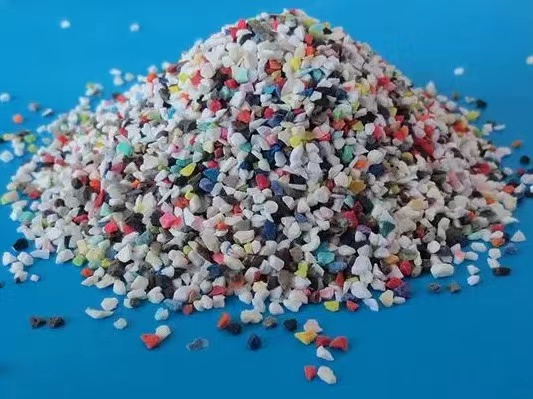
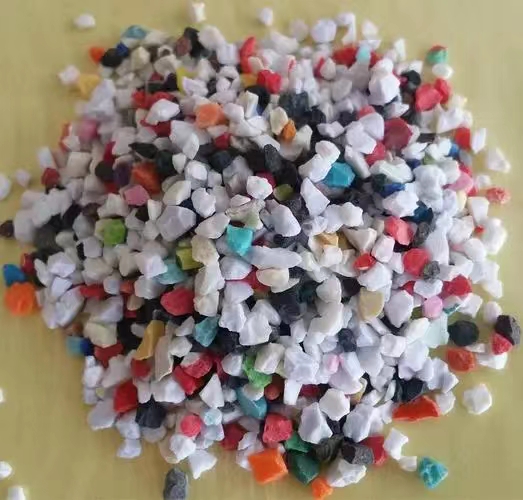
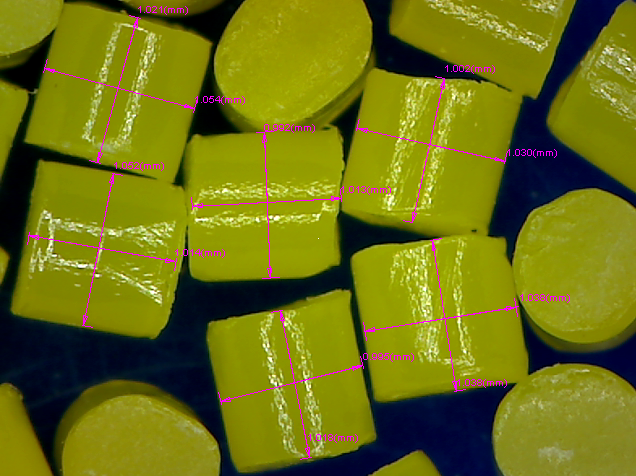
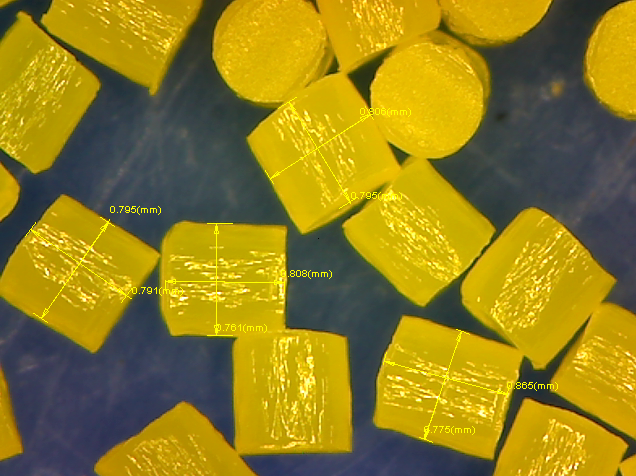
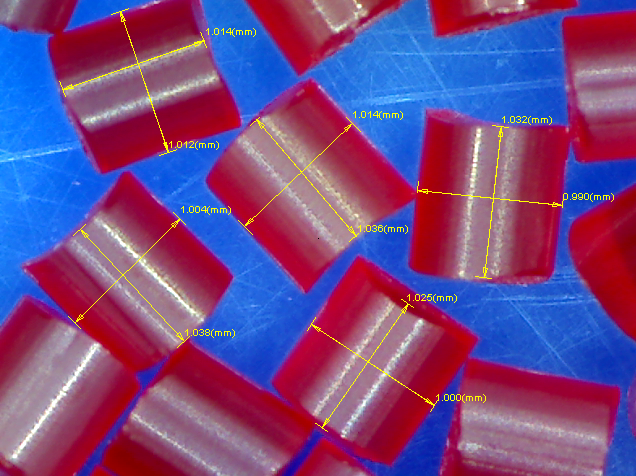
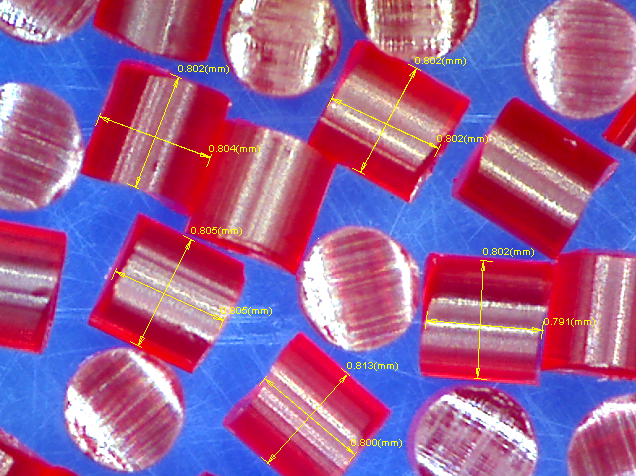
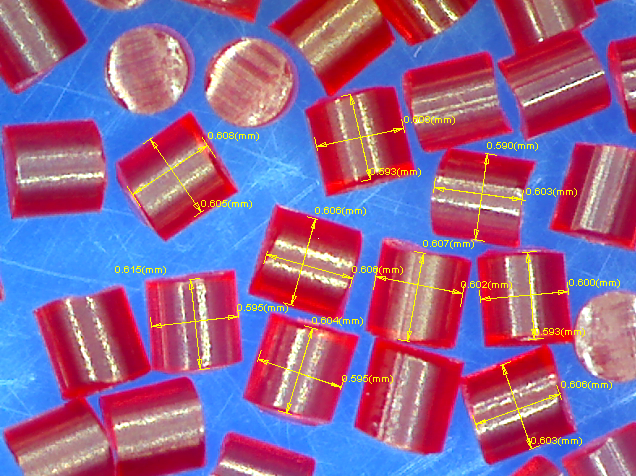

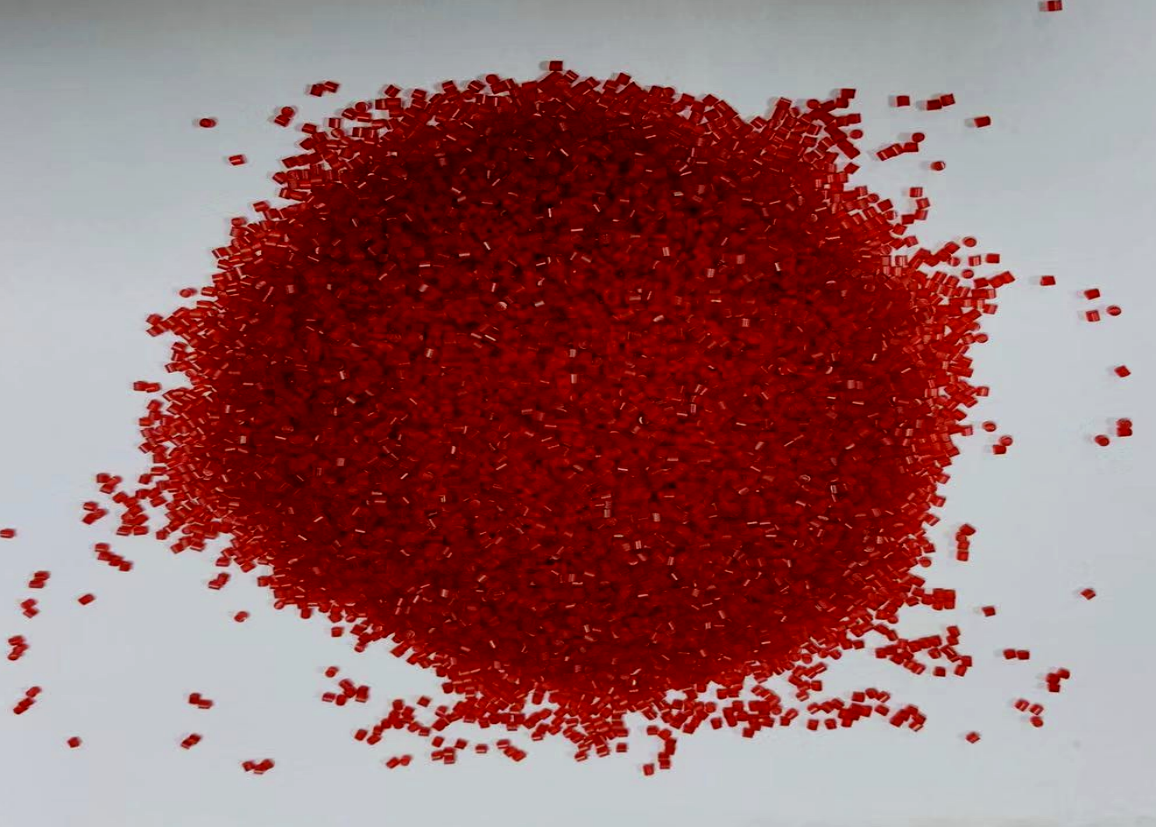
Nylon sand for surface treatment consumables
2024-05-10
Nylon sand for surface treatment consumables
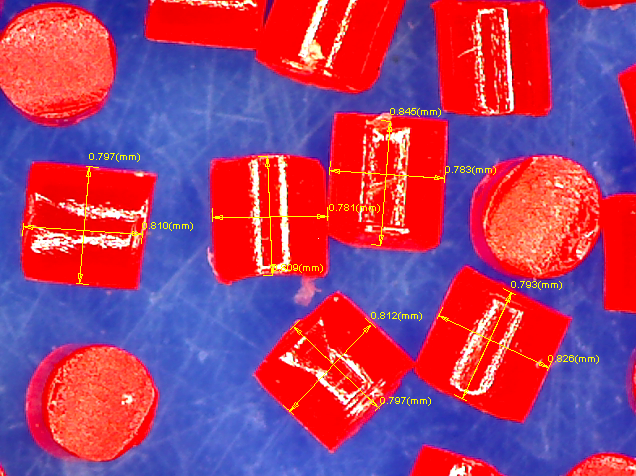
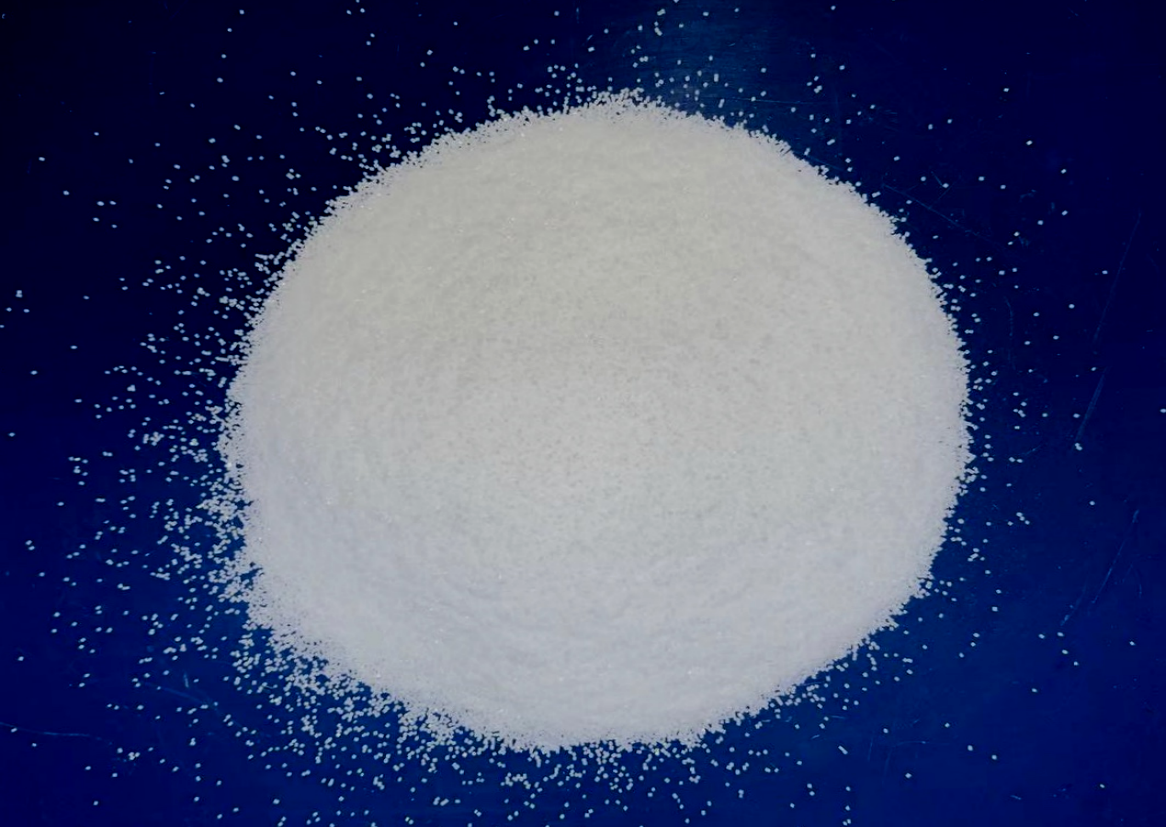
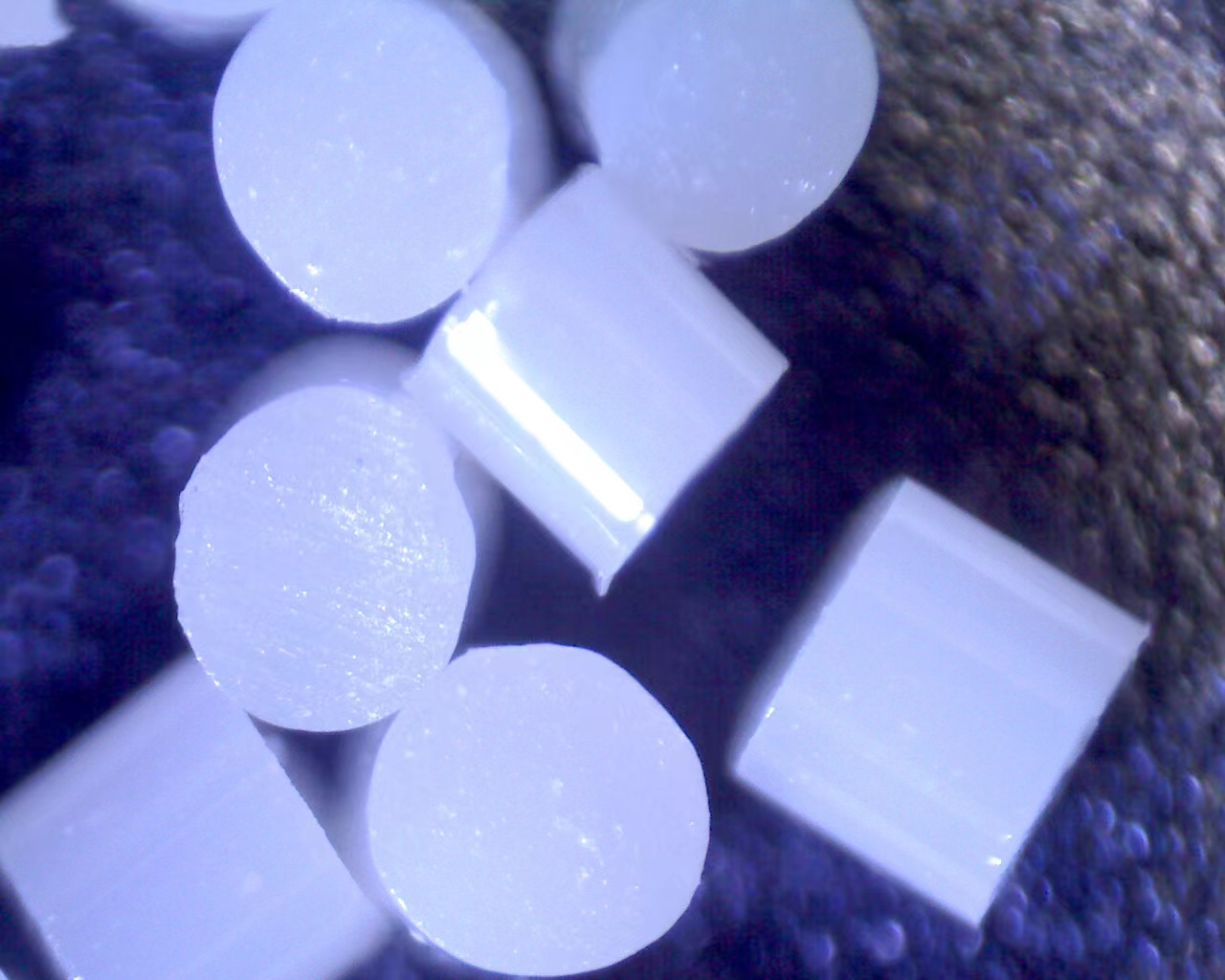
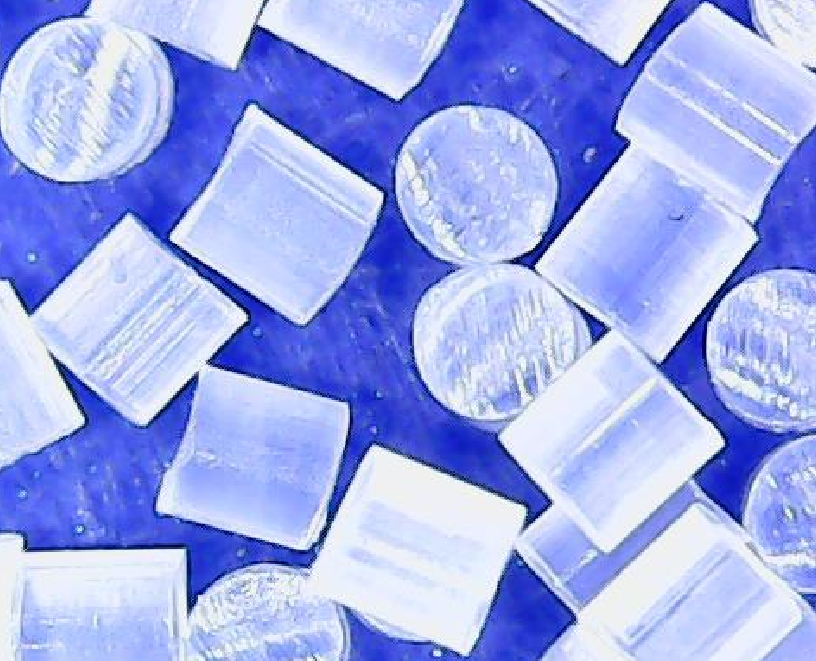
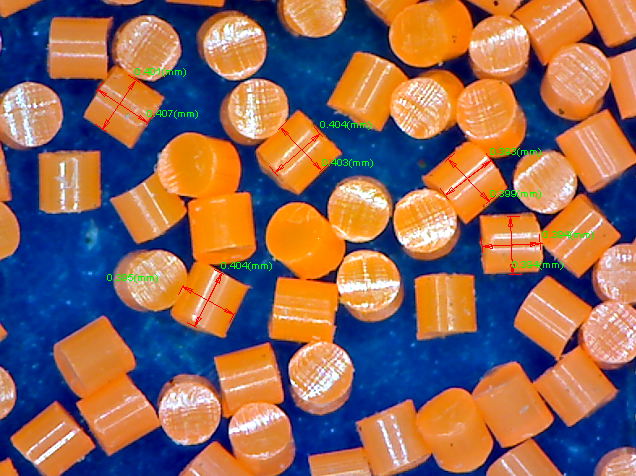
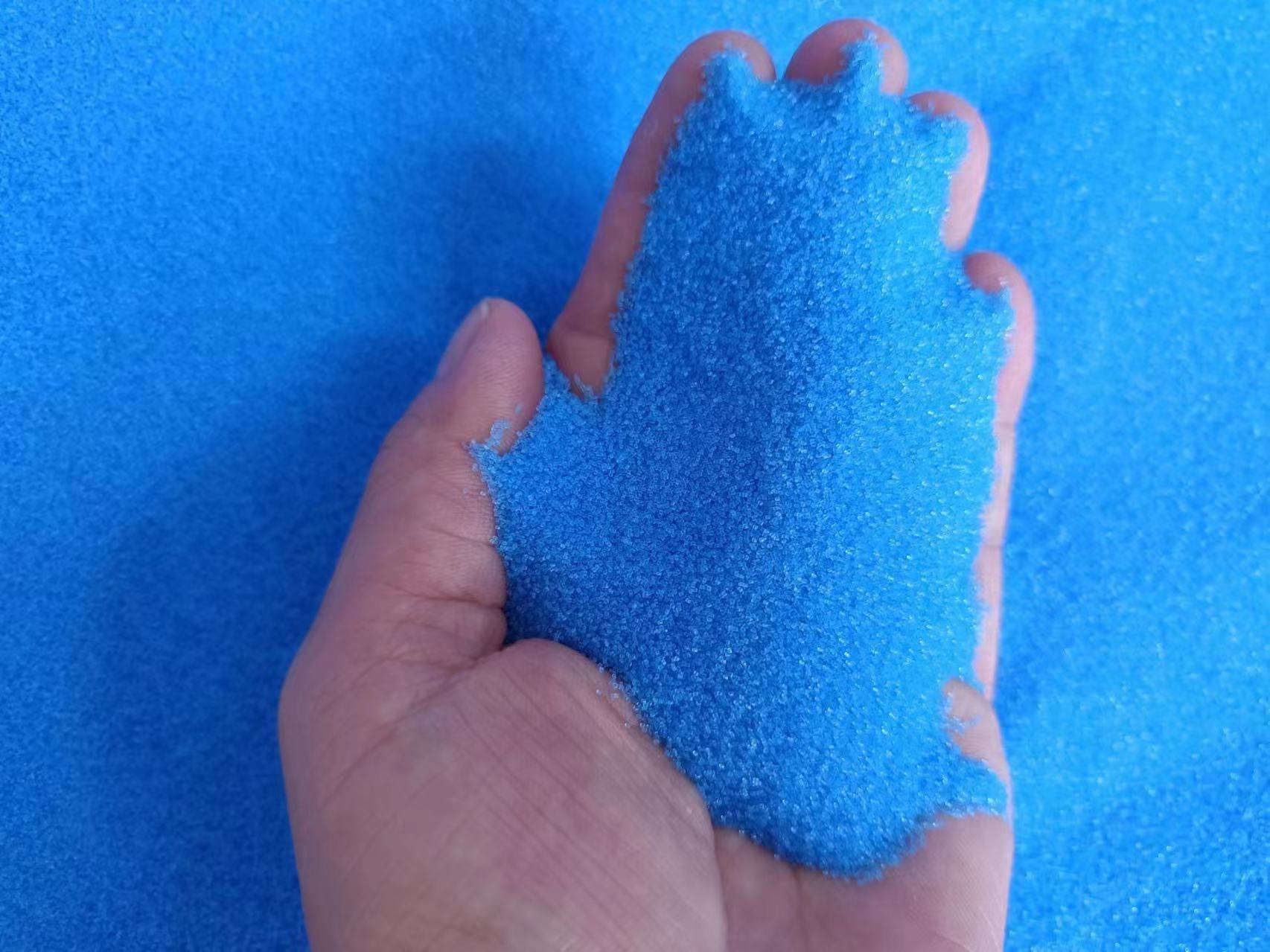
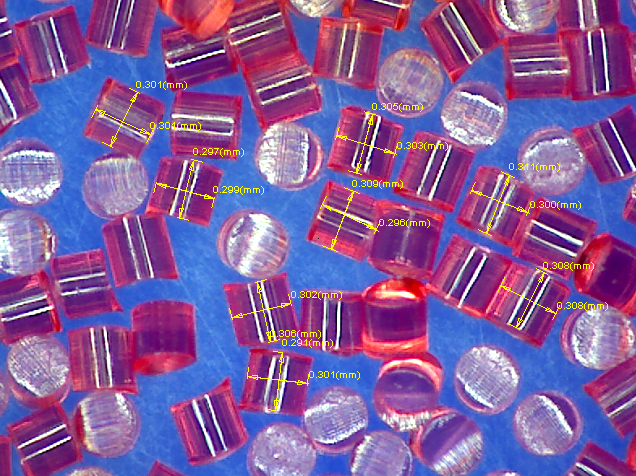
Nylon sand is a form of plastic abrasive commonly used in industrial applications. There are numerous uses for nylon sand, including abrasive blasting, concrete reinforcement, plastic production, and automotive manufacturing.
One of the most common uses for nylon sand is abrasive blasting. This process involves using compressed air to blast the abrasive material at high speeds onto surfaces, effectively removing unwanted paint, rust, and other debris. Nylon sand is ideal for this application due to its hardness and durability, which efficiently remove the unwanted materials without damaging the underlying surface.
Another use for nylon sand is as a filler in concrete. By adding nylon sand to cement mixtures, it can improve the strength and durability of the final product. Nylon sand is resistant to chemical and weather damage, making it an excellent choice for concrete reinforcement applications.
In addition, nylon sand is used in the production of plastic products. It can be added to plastic pellets, which are then formed into various products such as toys, household items, and automotive parts. Nylon sand enhances the strength and durability of plastic products, making them more resistant to wear and tear.
Lastly, nylon sand is used extensively in automotive manufacturing. It can be used as a filler in bumpers and other plastic components, resulting in stronger and more durable parts. Nylon sand can also be used to finish metal parts, providing a uniform, smooth surface finish.
In conclusion, nylon sand is a versatile and valuable material with a wide range of industrial applications. Its unique properties make it suitable for abrasive blasting, concrete reinforcement, plastic production, and automotive manufacturing, among other uses. The continued development of nylon sand technology is expected to lead to new applications in the future, contributing to its growing importance in a variety of industries.
One of the most common uses for nylon sand is abrasive blasting. This process involves using compressed air to blast the abrasive material at high speeds onto surfaces, effectively removing unwanted paint, rust, and other debris. Nylon sand is ideal for this application due to its hardness and durability, which efficiently remove the unwanted materials without damaging the underlying surface.
Another use for nylon sand is as a filler in concrete. By adding nylon sand to cement mixtures, it can improve the strength and durability of the final product. Nylon sand is resistant to chemical and weather damage, making it an excellent choice for concrete reinforcement applications.
In addition, nylon sand is used in the production of plastic products. It can be added to plastic pellets, which are then formed into various products such as toys, household items, and automotive parts. Nylon sand enhances the strength and durability of plastic products, making them more resistant to wear and tear.
Lastly, nylon sand is used extensively in automotive manufacturing. It can be used as a filler in bumpers and other plastic components, resulting in stronger and more durable parts. Nylon sand can also be used to finish metal parts, providing a uniform, smooth surface finish.
In conclusion, nylon sand is a versatile and valuable material with a wide range of industrial applications. Its unique properties make it suitable for abrasive blasting, concrete reinforcement, plastic production, and automotive manufacturing, among other uses. The continued development of nylon sand technology is expected to lead to new applications in the future, contributing to its growing importance in a variety of industries.
Nylon sand-a necessity in mobile phone industry
Application and advantages of resin sand
Related Article
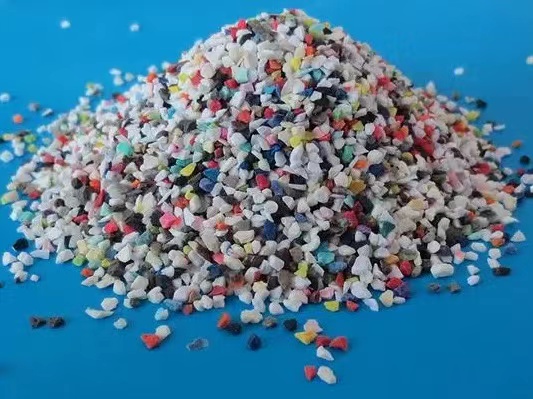
Resin sand is a type of molding sand that is widely used in the foundry industry for making high-precision castings. It is made by mixing natural silica sand with resin and hardener, which then sets to form a solid casting mold. Resin sand has several advantages over traditional molding sands, including improved dimensional accuracy, surface finish, and mold strength.
Resin sand

Recently, good news has come from the domestic sandblasting material market. A high-performance PA6 nylon sand sandblasting material has been officially launched, marking an important step in my country's technological innovation in this field. PA6 nylon sand has quickly become a popular choice in the sandblasting industry due to its unique wear resistance, high toughness and good chemical stability.
Sand blasting material PA6 nylon sand
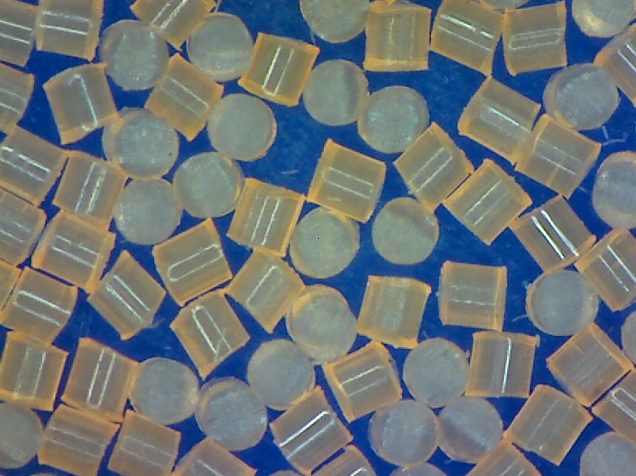
Sandblasting Materials: Pioneering Innovations Shaping the Future of Surface Treatment。In the vast landscape of industrial surface treatment, sandblasting materials have emerged as key players, driving advancements and transforming the way materials are prepared, finished, and enhanced. From traditional abrasive media to cutting-edge eco-friendly alternatives, the evolution of sandblasting materials underscores the relentless pursuit of efficiency, sustainability, and performance excellence.
sandblasting material
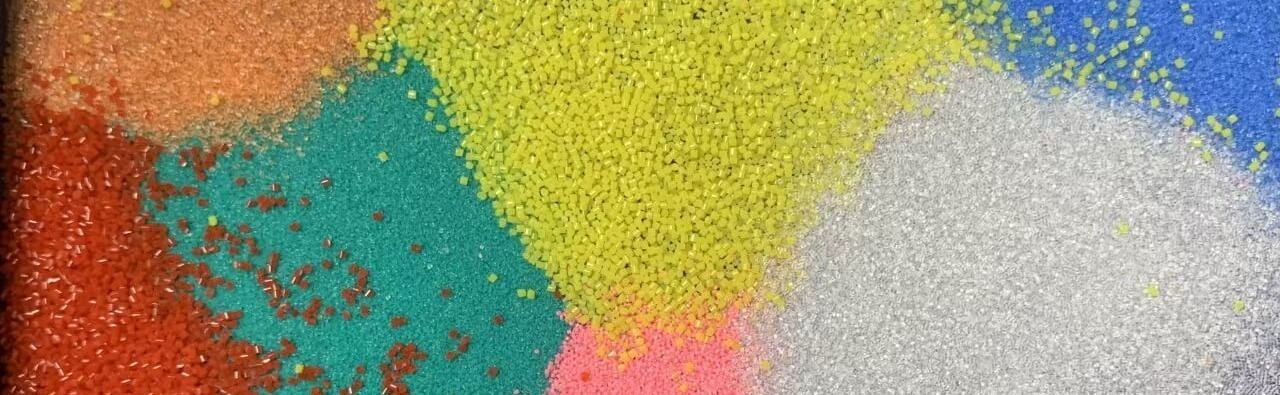
In the realm of industrial processing and surface finishing, a significant milestone has been achieved with the continued evolution and refinement of sandblasting techniques. Once considered a rudimentary method of surface preparation, sandblasting has transformed into a sophisticated technology, firmly establishing itself as a testament to the relentless progress of contemporary science and engineering.
Sandblasting: A Testament to Modern Technological Advancement