
Best Selling Product
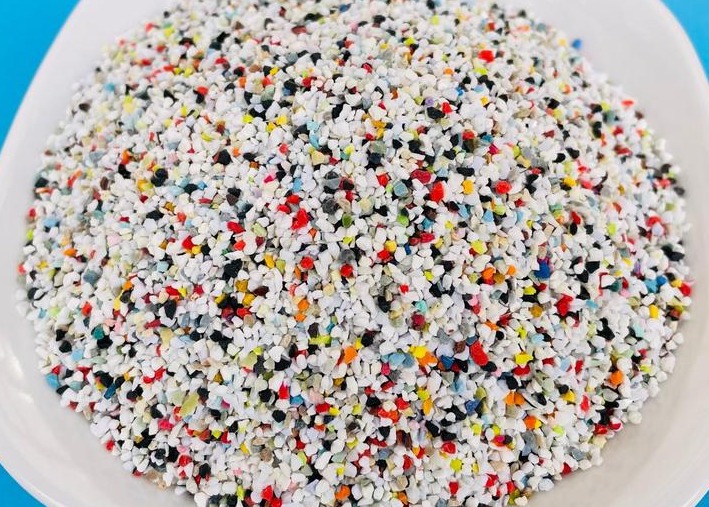
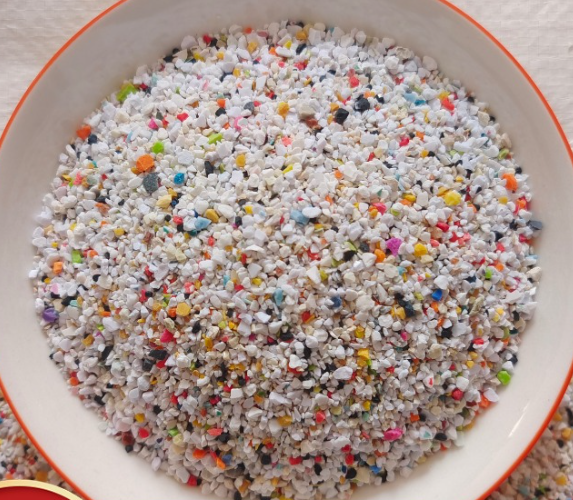
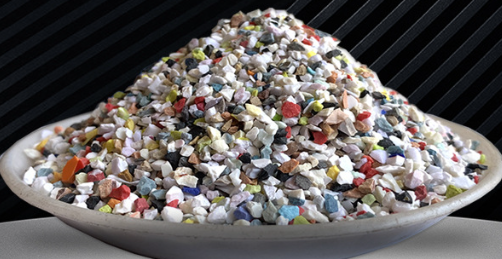
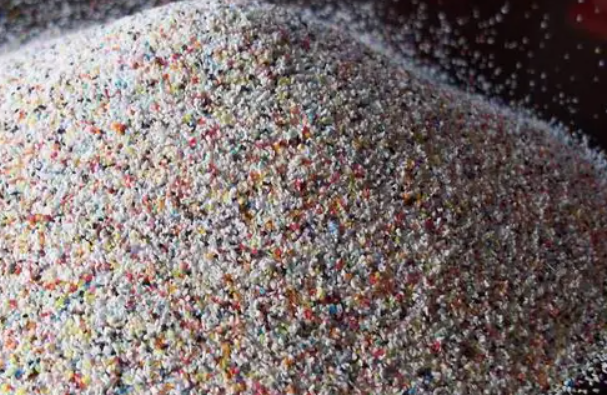
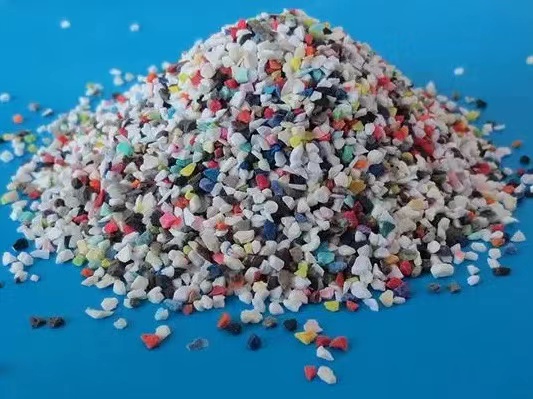
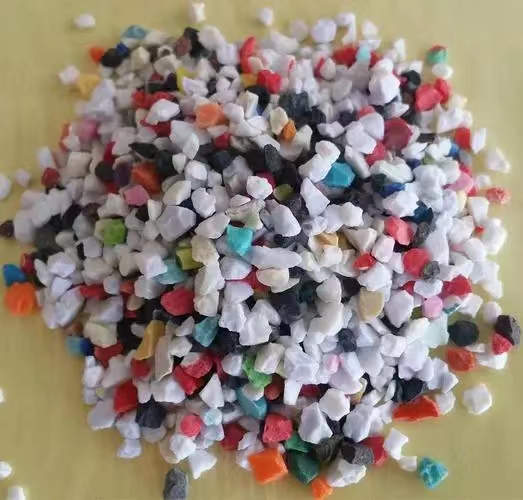
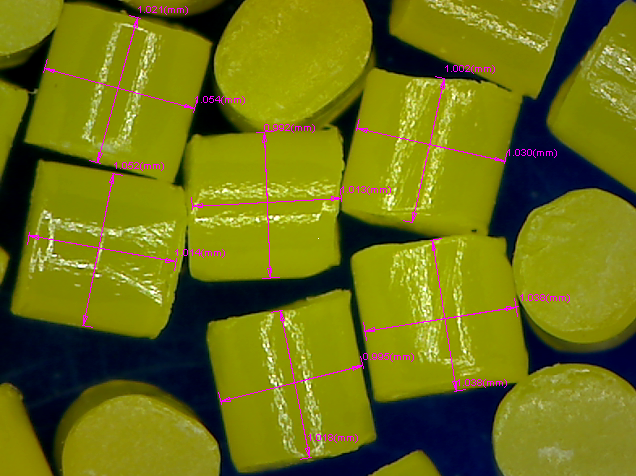
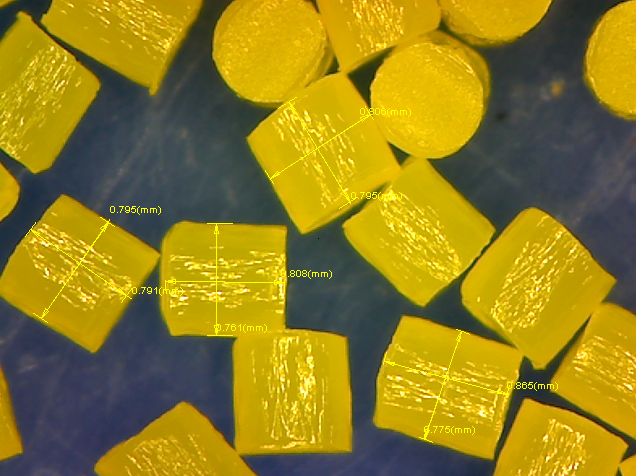
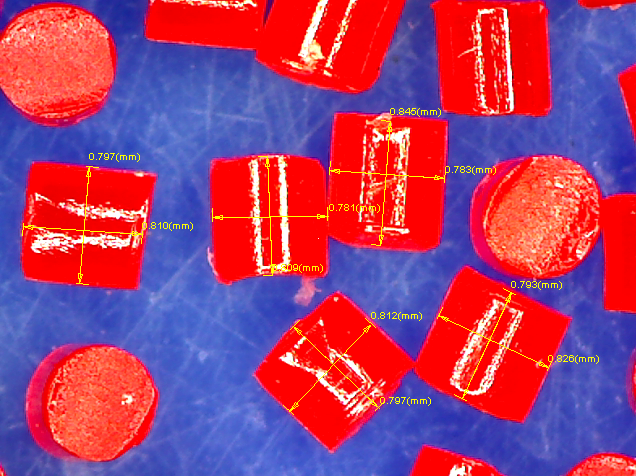
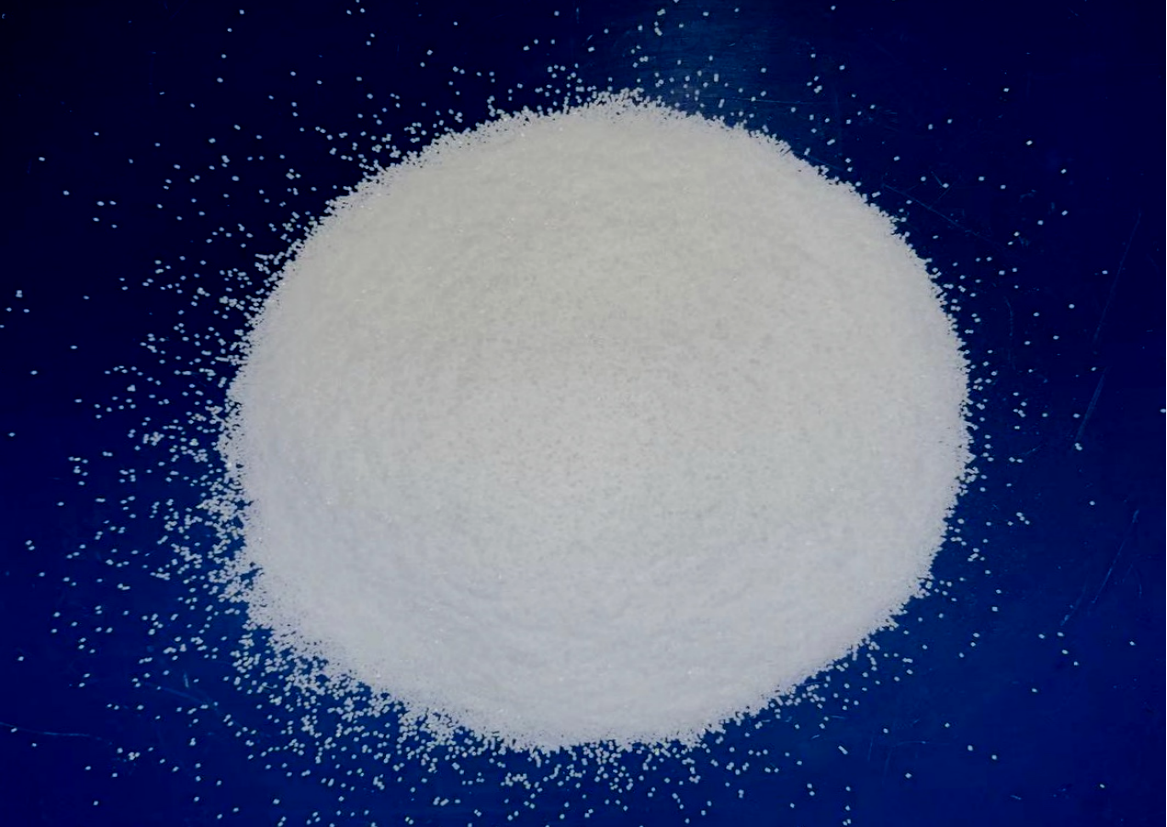
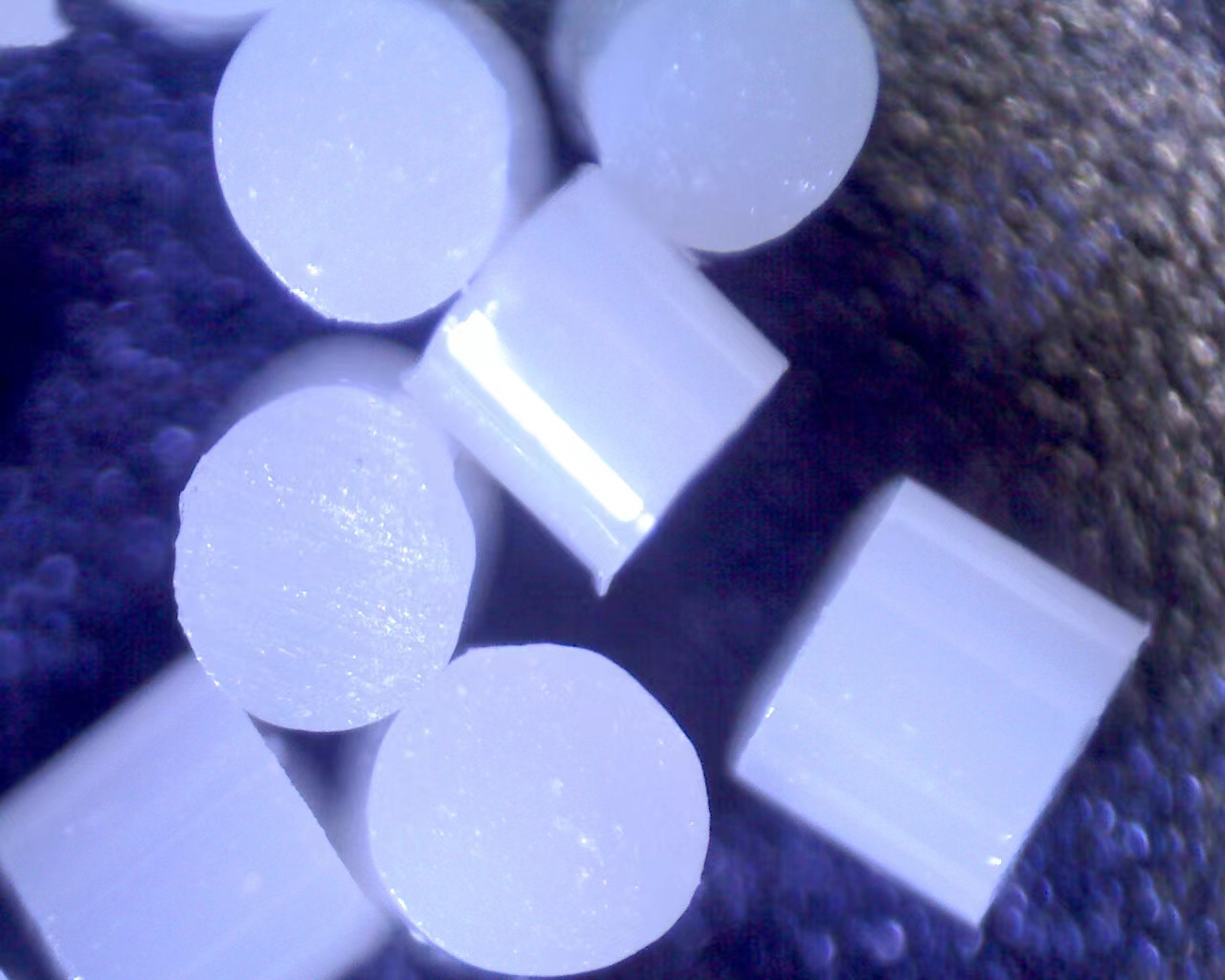
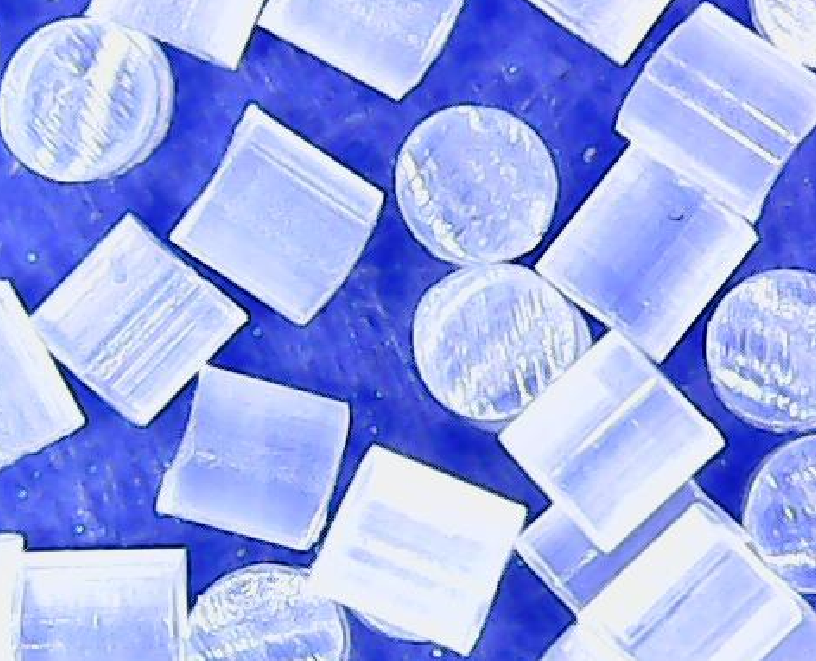
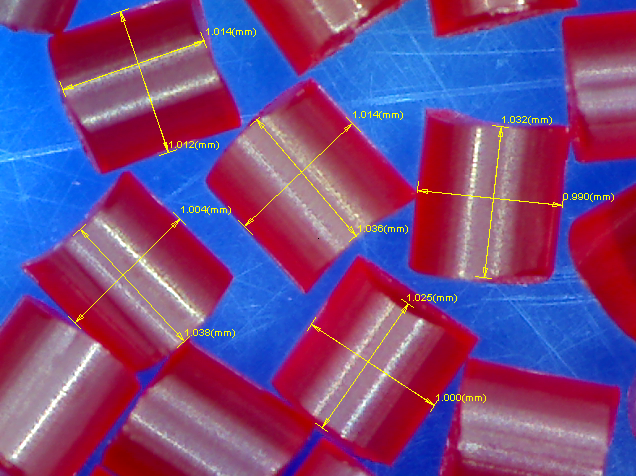
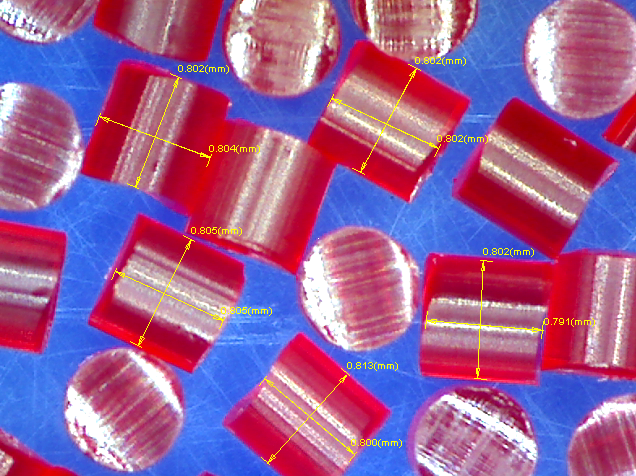
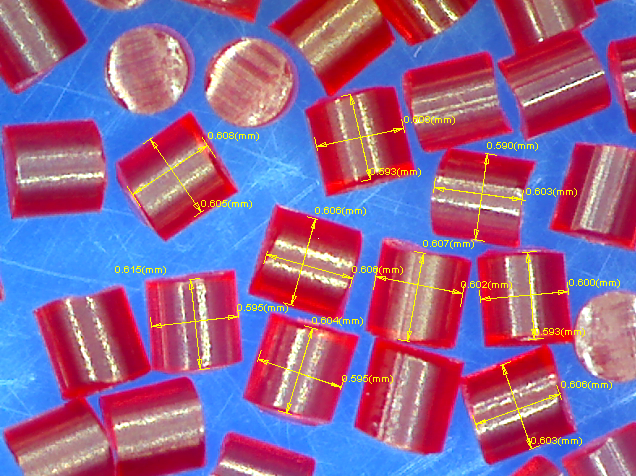

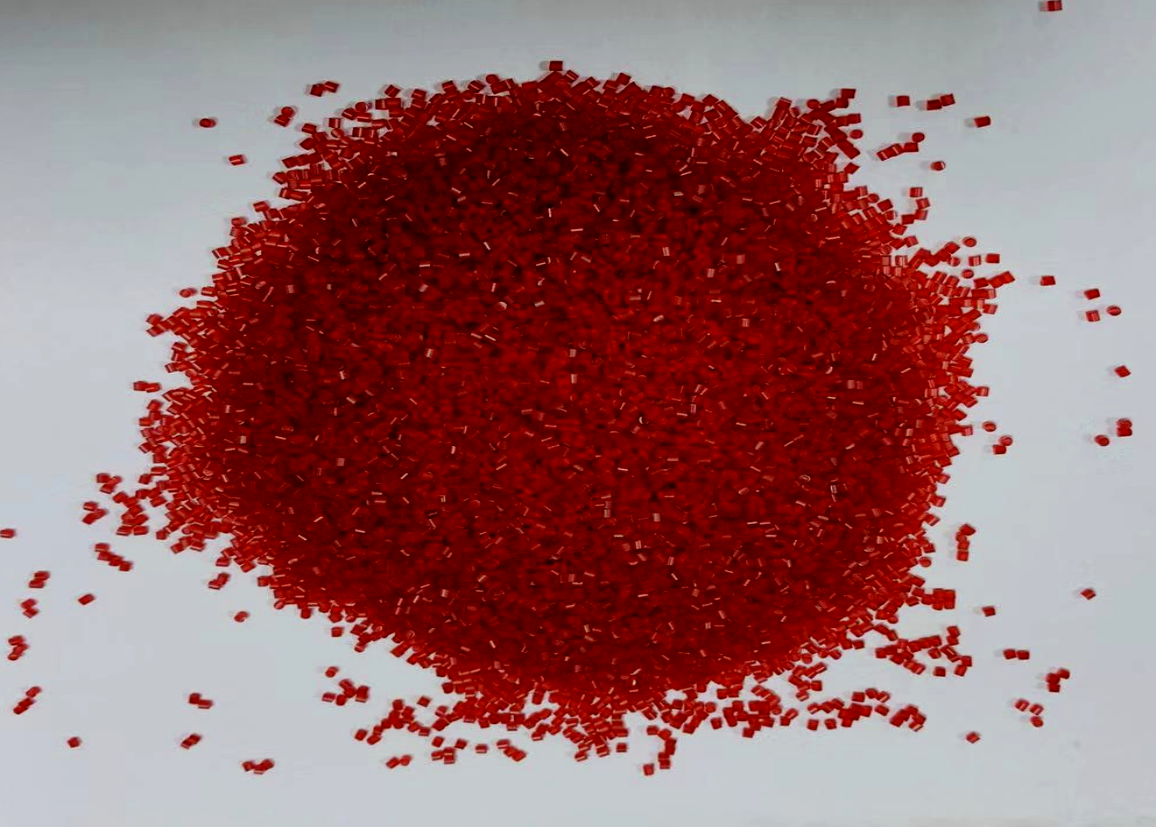
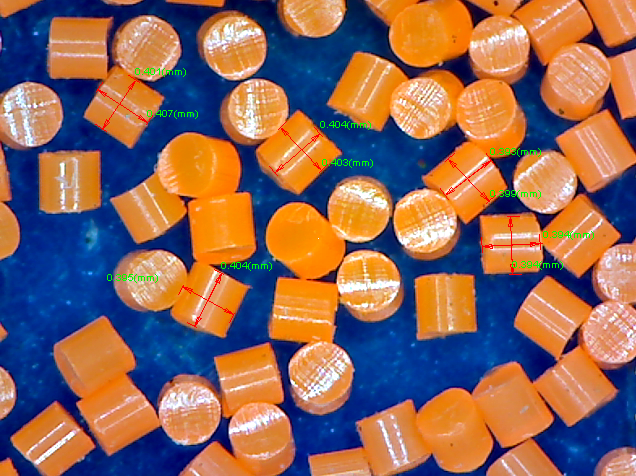
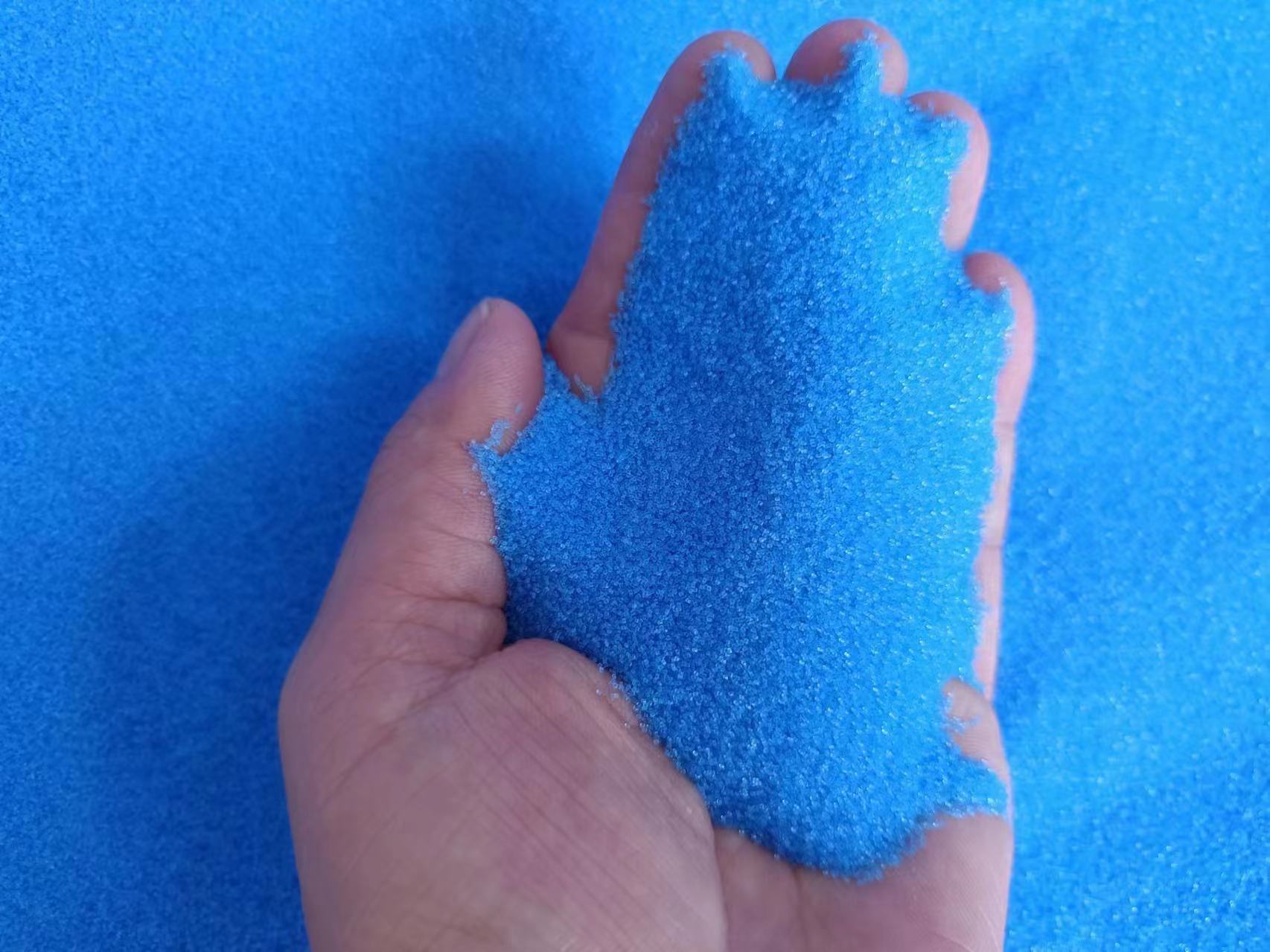
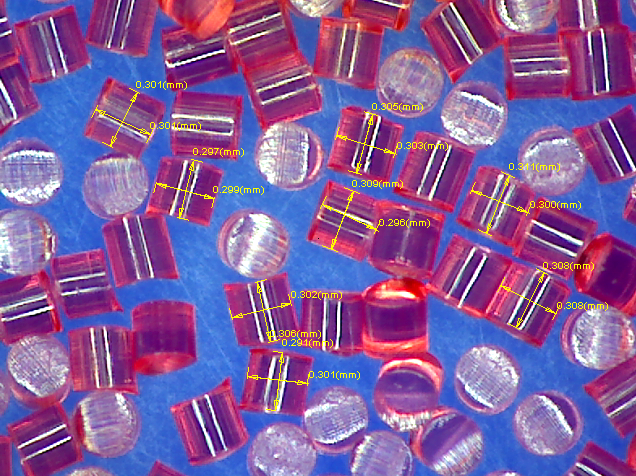
Polycarbonate particles
2024-07-23
Polycarbonate particles
Innovative Polycarbonate Particles Revolutionize Sandblasting Industry
The sandblasting industry has witnessed a significant breakthrough with the introduction of Polycarbonate particles as a premium abrasive material. Known for their exceptional durability, lightweight properties, and environmental friendliness, Polycarbonate particles are poised to redefine standards in surface preparation and finishing applications.
Traditionally, sandblasting has relied on abrasive materials such as silica sand, aluminum oxide, or glass beads. However, these materials often come with drawbacks like dust generation, health hazards, and limited recyclability. Polycarbonate particles, on the other hand, offer a safer and more sustainable alternative.
According to industry experts, Polycarbonate particles exhibit high impact resistance and uniformity in size, enabling precise and efficient surface treatment. They are particularly suitable for delicate surfaces that require a smooth finish without compromising durability. "The ability of Polycarbonate particles to maintain their shape and integrity during blasting ensures a cleaner and more consistent finish compared to conventional materials," said Dr. Emily Green, a leading researcher in surface engineering.
Moreover, the environmental benefits of Polycarbonate particles cannot be overlooked. They are fully recyclable, reducing waste and minimizing the carbon footprint of sandblasting operations. This aligns perfectly with the growing global trend towards sustainability and responsible manufacturing practices.
Several manufacturers have already adopted Polycarbonate particles with remarkable success. "Switching to Polycarbonate particles has not only improved the quality of our finished products but also enhanced workplace safety for our employees," shared Mr. James Johnson, CEO of a leading automotive parts supplier.
As the demand for eco-friendly and high-performance abrasive materials continues to soar, Polycarbonate particles are poised to become the go-to choice for the sandblasting industry. With ongoing research and development, even more advanced formulations are expected to emerge, further expanding the application possibilities of this innovative material.
In conclusion, the introduction of Polycarbonate particles as a sandblasting material marks a significant milestone in the industry's evolution towards sustainability and excellence. As manufacturers embrace this innovation, the future of surface preparation and finishing looks brighter than ever.
I hope this news piece meets your expectations! Let me know if you need any further assistance.
PA nylon particles
PA6 polyamide
Related Article
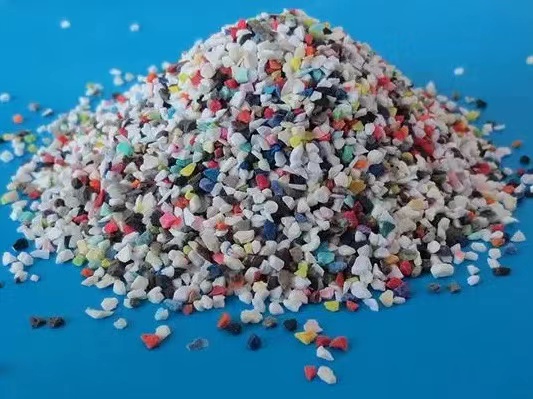
Resin sand is a type of molding sand that is widely used in the foundry industry for making high-precision castings. It is made by mixing natural silica sand with resin and hardener, which then sets to form a solid casting mold. Resin sand has several advantages over traditional molding sands, including improved dimensional accuracy, surface finish, and mold strength.
Resin sand
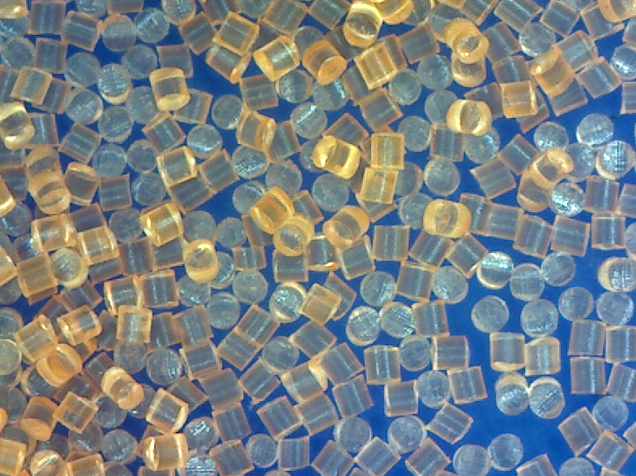
Recently, good news has come from the domestic sandblasting material market. A high-performance PA6 nylon sand sandblasting material has been officially launched, marking an important step in my country's technological innovation in this field. PA6 nylon sand has quickly become a popular choice in the sandblasting industry due to its unique wear resistance, high toughness and good chemical stability.
Sand blasting material PA6 nylon sand
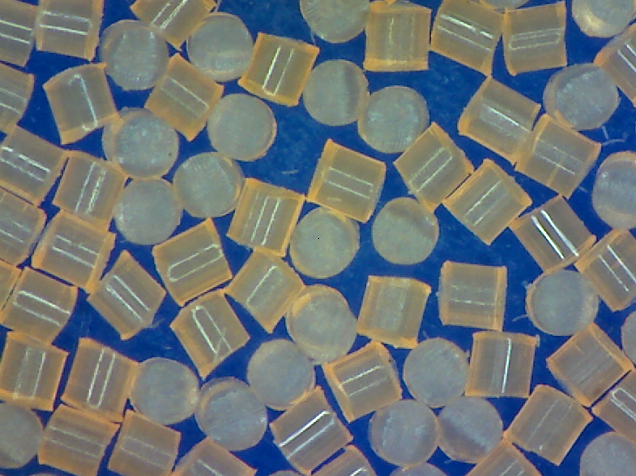
Sandblasting Materials: Pioneering Innovations Shaping the Future of Surface Treatment。In the vast landscape of industrial surface treatment, sandblasting materials have emerged as key players, driving advancements and transforming the way materials are prepared, finished, and enhanced. From traditional abrasive media to cutting-edge eco-friendly alternatives, the evolution of sandblasting materials underscores the relentless pursuit of efficiency, sustainability, and performance excellence.
sandblasting material
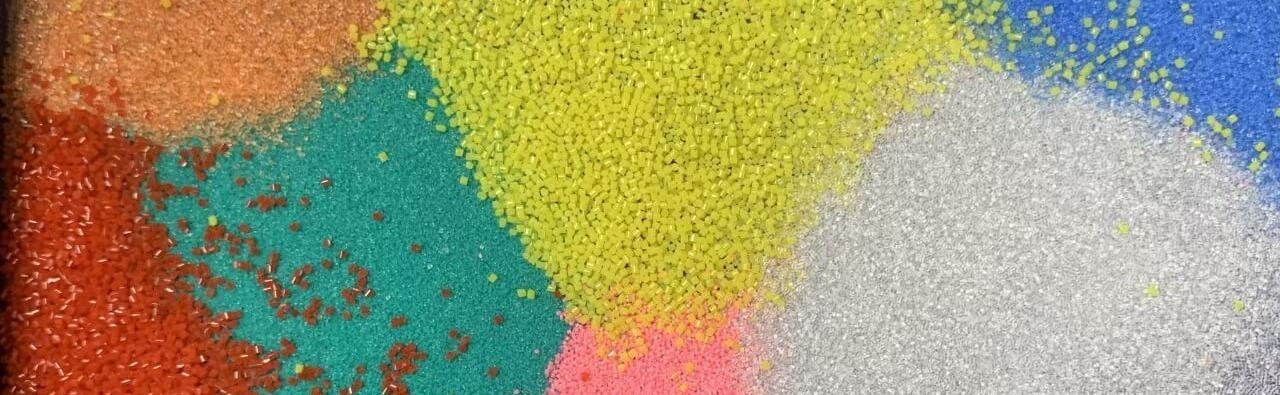
In the realm of industrial processing and surface finishing, a significant milestone has been achieved with the continued evolution and refinement of sandblasting techniques. Once considered a rudimentary method of surface preparation, sandblasting has transformed into a sophisticated technology, firmly establishing itself as a testament to the relentless progress of contemporary science and engineering.
Sandblasting: A Testament to Modern Technological Advancement